
.jpeg)
Summary of matters that need to be paid attention to while taking Asnib/Asiminib (Xinbeli)
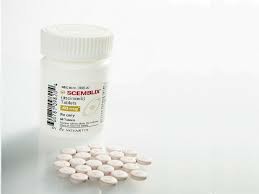
Asciminib, trade name: Asciminib, is a new tyrosine kinase inhibitor (TKI), mainly used for chronic myelogenous leukemia (TKI pan>CML) patients, especially those who are resistant or intolerant to conventional TKIs such as imatinib, dasatinib or nilotinib. Its unique mechanism of action is to target the "allosteric site" of BCR-ABL, which is different from traditional ATPcompetitive TKI and can inhibit abnormal tyrosine kinase activity more precisely, thereby controlling the progression of leukemia. During the medication period, in order to ensure efficacy and safety, patients need to pay attention to the following aspects.
First of all, the dosage and administration method must strictly follow the doctor's instructions. Asnib is generally taken orally, once a day or in divided doses. The dosage needs to be adjusted individually based on the patient's condition, tolerance and whether it is used in combination with other drugs. Do not increase or decrease the dosage or stop medication at will, as this may affect the efficacy or increase the risk of adverse reactions. Patients should take the medication at a fixed time, with or without food, but it is recommended that the medication be taken in a consistent manner each time to ensure stable drug absorption.
Secondly, hematology and laboratory monitoring are very important. In the early stages of treatment, patients need to regularly monitor blood routine, including white blood cells, platelets and hemoglobin levels, to prevent anemia, thrombocytopenia or neutropenia. In addition, attention should be paid to liver and kidney function, electrolyte levels, and blood lipid indicators, because asinib may cause abnormal liver function or metabolic changes. If abnormal indicators appear, you should contact your doctor in time to adjust the dose or take symptomatic treatment according to the specific situation.
Third, the prevention and treatment of common adverse reactions is the key to ensuring safe treatment. Common clinical adverse reactions of asinib include bone marrow suppression, muscle pain, diarrhea, nausea, fatigue and abnormal liver function. Patients should self-observe their symptoms regularly, and minor discomfort can be relieved through rest, dietary adjustments, or symptomatic drugs. If symptoms worsen or serious reactions occur, such as obvious bleeding, persistent fever, or severe liver function damage, you should seek medical treatment immediately and follow the doctor's advice to adjust or suspend medication.
In addition, drug interactions require attention. Asinib is mainly metabolized by the liver, especially the CYP3A4 pathway. Therefore, combined use with strong CYP3A inhibitors or inducers may change the blood concentration, affect the efficacy or increase the risk of adverse reactions. Patients should inform their doctors about all prescription drugs, over-the-counter drugs and health care products during the medication period, and avoid changing drugs on their own or using supplements at will.
Lifestyle and daily care are also important aspects of auxiliary treatment. Patients should ensure regular work and rest, a balanced diet and moderate exercise to enhance the body's immune function. At the same time, environments with a high risk of infection, such as crowded places, should be avoided, and personal hygiene should be paid attention to, especially during hematological suppression, to reduce the chance of infection. If female patients are of childbearing age, they should take effective contraceptive measures to prevent potential fetal risks.
Mental health management cannot be ignored. The treatment period for chronic leukemia is long, and patients may face anxiety, depression and reduced quality of life. It is recommended that patients actively participate in patient education, support groups or psychological consultations to enhance disease awareness and self-management capabilities. At the same time, they should establish good doctor-patient communication habits and provide timely feedback on medication experience and discomfort to doctors.
Finally, regular follow-up and evaluation of efficacy are essential. Doctors will evaluate the patient's response to Asnib through hematology, molecular testing and clinical symptoms to determine whether the dose needs to be adjusted, combined with other drugs, or the treatment plan needs to be changed. Patients should strictly follow the follow-up plan and report any abnormal symptoms in a timely manner to maximize the efficacy and reduce potential risks.
Taken together, it is necessary to pay attention to dosage specifications, hematology and liver and kidney function monitoring, adverse reaction management, drug interactions, lifestyle, mental health and regular follow-up during the medication period. Through scientific management and close cooperation with doctors, patients can obtain the best treatment results while ensuring safety, significantly delay the progression of the disease, and improve the quality of life.
Reference materials:https://www.drugs.com/
[ 免责声明 ] 本页面内容来自公开渠道(如FDA官网、Drugs官网、原研药厂官网等),仅供持有医疗专业资质的人员用于医学药学研究参考,不构成任何治疗建议或药品推荐。所涉药品可能未在中国大陆获批上市,不适用于中国境内销售和使用。如需治疗,请咨询正规医疗机构。本站不提供药品销售或代购服务。


