
.jpeg)
The effect and clinical evidence of Pimitespib in delaying the decline of lung function
Pimitespib (trade name: TAS-116) is an oral HSP90 inhibitor mainly used to treat metastatic gastrointestinal stromal tumors (GIST). In recent years, researchers have begun to pay attention to its potential application in lung diseases, especially its delaying effect on the decline of lung function. The following is a comprehensive analysis based on existing research.
In an animal experiment, researchers used a combination of pimoteb and nifuroxazide (nifuroxazide) to treat a model of lung injury caused by bleomycin (bleomycin). The results showed that combined treatment significantly improved lung function and reduced the total number of cells, lactate dehydrogenase (LDH) activity and total protein content in alveolar lavage fluid (BALF). Additionally, collagen deposition was reduced, indicating reduced fibrosis. These improvements were associated with the downregulation of fibrosis-related factors such as IL-6, TGF-β, PDGF-BB, and TIMP-1. Mechanistic studies have found that pimetibib reduces the deposition of extracellular matrix (ECM) by inhibiting HSP90, thereby inhibiting the activity of HIF-1α and STAT3 and other transcription factors. These results suggest that pimetibib may delay the decline of lung function by regulating the IL-6/STAT3/HIF-1α autocrine loop.
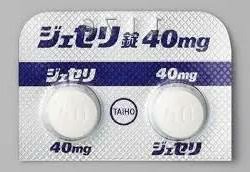
In addition, another study evaluated the efficacy of pimetibib against hydrochloric acid (HCl)-induced lung injury. The study found that even when treatment was initiated at the peak of acute injury (96 hours later), pimetibi could significantly reduce alveolar inflammation, reduce leukocyte and total protein content in BALF, inhibit the overexpression of NLRP3 inflammasome, and inhibit the activation of fibrotic pathways. These results suggest that pimetibib may improve lung function by modulating inflammatory responses and fibrotic pathways.
However, there is currently limited evidence that pimotebib can delay the decline of lung function clinically. Most studies have focused on animal models, and clinical trial data on human patients are lacking. Therefore, although the preliminary results are encouraging, further clinical studies are needed to verify the efficacy and safety of pimotebi in delaying the decline of lung function.
In conclusion, pimotebib, as an HSP90 inhibitor, has shown the potential to delay the decline of lung function in animal models. Its mechanism of action may be related to the regulation of IL-6/STAT3/HIF-1α autocrine loop, inhibition of inflammatory response and fibrosis pathway. However, current evidence mainly comes from animal studies and lacks human clinical data. Therefore, more clinical trials are needed in the future to evaluate the efficacy and safety of pimetibib in delaying the decline of lung function.
Reference materials:https://www.drugs.com/
[ 免责声明 ] 本页面内容来自公开渠道(如FDA官网、Drugs官网、原研药厂官网等),仅供持有医疗专业资质的人员用于医学药学研究参考,不构成任何治疗建议或药品推荐。所涉药品可能未在中国大陆获批上市,不适用于中国境内销售和使用。如需治疗,请咨询正规医疗机构。本站不提供药品销售或代购服务。


