
.jpeg)
Consequences of discontinuation of durvalumab/Infinifer
Durvalumab/Infinifer (Durvalumab) is a PD-L1 immunotherapy drug widely used in the management of advanced tumors. It is often used for the consolidation treatment of unresectable non-small cell lung cancer and is also used for the long-term maintenance of some metastatic tumors. Since immunotherapy relies on a continuous immune activation rhythm to maintain efficacy, many patients are worried about the "effects after discontinuation". In fact, the consequences of discontinuation depend on many factors, including the reason for discontinuation, characteristics of the patient's primary disease, duration of immune response, and whether there are immune-related adverse reactions.
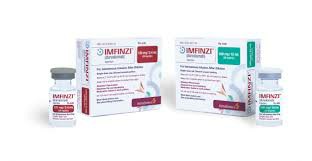
For some patients, if the drug is stopped early during the stable disease stage, the main risk is that tumor control may be reduced, especially if the treatment does not reach the prescribed course, more caution is needed. Immune drugs are not like chemotherapy drugs that have an immediate killing effect, but more like "reshaping the immune environment", so it takes a certain amount of time to maintain immune activity. When the immune regulation gradually returns to its original level after stopping the drug, some patients may have an increased risk of disease progression. This is also an important reason why overseas guidelines recommend completing a sufficient course of treatment.
If discontinuation is due to immune-related adverse reactions, the consequences will be different. Immune-related inflammation may gradually resolve after stopping the drug, but some reactions are delayed, and symptoms may still occur even after stopping the drug for several weeks, so close monitoring is still required after the drug is stopped. For patients who discontinue treatment due to toxicity, it is most important to observe whether inflammation is controlled and whether short-term hormonal or other immunosuppressive intervention is required.
There are also some patients who stop taking the drug after completing the prescribed course of treatment. At this time, the immune memory may still last for a long time, and the therapeutic effect will not disappear immediately. Many international data believe that the "sustained effect" of immunotherapy can continue to work for a certain period after stopping the drug. However, this duration varies from person to person and is related to the type of disease, immune microenvironment and other factors.
Reference materials:https://www.imfinzi.com/
[ 免责声明 ] 本页面内容来自公开渠道(如FDA官网、Drugs官网、原研药厂官网等),仅供持有医疗专业资质的人员用于医学药学研究参考,不构成任何治疗建议或药品推荐。所涉药品可能未在中国大陆获批上市,不适用于中国境内销售和使用。如需治疗,请咨询正规医疗机构。本站不提供药品销售或代购服务。


