
.jpeg)
Is Trelagliptin really effective? Is the treatment stable?
Trelagliptin (Trelagliptin), as a DPP-4 inhibitor drug, has been widely used in the treatment of patients with type 2 diabetes in recent years. By inhibiting DPP-4 enzyme activity, it prolongs the action of insulin and helps lower blood sugar levels. As a relatively new antidiabetic drug, trotagliptin's real therapeutic effect and long-term stability have received widespread attention. This article will discuss the efficacy, treatment stability and long-term use of trolagliptin to provide a more comprehensive reference for patients and clinicians.
Among the drugs for the treatment of type 2 diabetesDPP-4 inhibitors, as a milder option, have been widely used to control postprandial blood sugar and improve insulin secretion. The main advantages of trotagliptin compared with other types of antidiabetic drugs are its relatively low risk of hypoglycemia and its good tolerability. For many patients who cannot be adequately controlled by diet or oral hypoglycemic drugs, troagliptin can effectively reduce fasting and postprandial blood glucose and improve glycosylated hemoglobin (HbA1c) levels.
Actual clinical experience shows that the therapeutic effect of trotagliptin is usually significant, especially among patients with higher blood sugar control requirements. It can achieve the long-term blood sugar control goals of diabetic patients more smoothly. Some patients have significantly improved their blood sugar levels and reduced the risk of diabetes-related complications after using this drug. Therefore, trotagliptin is considered a drug with good clinical efficacy, especially for patients who do not respond well to diet control and exercise treatment.
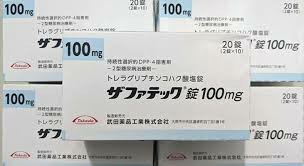
In addition, as a once-daily drug, the convenience of trolagliptin also enables many patients to insist on long-term use, further improving treatment compliance. For patients who live busy lives and find it difficult to adhere to multiple daily medication regimens, troagliptin provides a more flexible and simple treatment option.
In terms of long-term use, trolagliptin shows relatively stable efficacy. Long-term clinical observation shows that trotagliptin can maintain blood sugar stability while avoiding side effects such as hypoglycemia that may be caused by traditional antidiabetic drugs. By continuously inhibiting the activity of DPP-4 enzyme, it can maintain ideal blood sugar levels for a longer period of time. Compared with other antidiabetic drugs, trotagliptin is better tolerated and treatment interruptions due to drug side effects are less likely to occur.
Especially for those who need long-term blood sugar controlThe stability of trotagliptin makes it a sustainable treatment option for patients with type 2 diabetes. Studies have shown that most patients can achieve relatively stable blood sugar control without frequent blood sugar fluctuations during treatment with troagliptin. This makes tretagliptin not only effective in managing patients' diabetes symptoms, but also reduces the risk of complications caused by blood sugar fluctuations.
However, treatment stability is also affected by individual differences. Some patients may require higher doses or the combination of other antidiabetic drugs during initial treatment to achieve the desired therapeutic effect. This personalized treatment plan remains the key to ensuring the stability of troagliptin treatment.
In addition, although trotagliptin has shown good tolerability and long-term stability in most patients, the use of trotagliptin may require special caution in certain high-risk groups, such as patients with renal insufficiency or abnormal liver function. When such patients use this drug, they need to regularly monitor their liver and kidney functions to ensure the safety of the drug.
Reference materials:https://en.wikipedia.org/wiki/Trelagliptin
[ 免责声明 ] 本页面内容来自公开渠道(如FDA官网、Drugs官网、原研药厂官网等),仅供持有医疗专业资质的人员用于医学药学研究参考,不构成任何治疗建议或药品推荐。所涉药品可能未在中国大陆获批上市,不适用于中国境内销售和使用。如需治疗,请咨询正规医疗机构。本站不提供药品销售或代购服务。


