
.jpeg)
Daily dosage and reasonable distribution suggestions for Asnib/Asiminib (Xinbeli)
Asciminib (Asciminib) is a new type of BCR-ABL inhibitor, mainly used to treat patients with chronic myelogenous leukemia (CML), especially for patients who are resistant or intolerant to other tyrosine kinase inhibitors. Different from traditional TKI, asinib specifically inhibits BCR-ABL activity through the STI-571 binding pocket (STAMP) mechanism to achieve tumor cell apoptosis and proliferation inhibition. Due to the characteristics of drug half-life and blood concentration, the number of daily doses and the time of taking them directly affect the efficacy and safety, so rational allocation of daily doses is particularly important.
For most patients, asinib can be administered as a once-daily oral regimen. When taking the medicine once a day, it is recommended to take it at a fixed time every day to maintain the stability of the blood concentration and the continuity of the therapeutic effect. Taking medication at a fixed time not only helps reduce adverse reactions caused by peak and valley fluctuations, but also improves patient compliance. This regimen is suitable for patients with stable conditions and good tolerance. At the same time, the doctor's guidance must be followed and the medication time or dosage must not be adjusted at will.
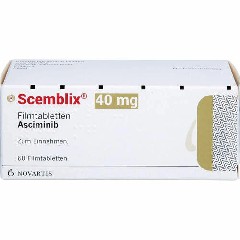
For some patients, doctors may recommend taking it twice a day due to their condition or tolerance. In this case, the medication is usually scheduled to be taken about 12 hours apart in the morning and evening to ensure stable blood concentration throughout the day and reduce the risk of side effects caused by a single high dose. When taking the medicine twice a day, patients should record the time of taking the medicine to avoid missing or repeated doses, and take it in conjunction with dietary guidance. For example, follow the doctor's instructions and choose to take the medicine before or after meals to reduce gastrointestinal discomfort.
Regardless of whether the once-daily or twice-daily regimen is used, patients should strictly follow the doctor's instructions to take the medication and have regular follow-up visits to evaluate efficacy and adverse reactions. Routine monitoring of hemogram, liver and kidney function, and electrocardiogram can help detect potential problems early. If serious side effects or poor tolerance occur, you should contact your doctor promptly to adjust the dose or regimen. By scientifically arranging the number and time of daily medication, patients can maximize the efficacy of the medication while reducing the risk of side effects, achieving safe, standardized and efficient long-term treatment.
Reference materials:https://www.drugs.com/
[ 免责声明 ] 本页面内容来自公开渠道(如FDA官网、Drugs官网、原研药厂官网等),仅供持有医疗专业资质的人员用于医学药学研究参考,不构成任何治疗建议或药品推荐。所涉药品可能未在中国大陆获批上市,不适用于中国境内销售和使用。如需治疗,请咨询正规医疗机构。本站不提供药品销售或代购服务。


