
.jpeg)
Does ritixitinib (Lefenox) require lifelong medication and its medication strategy?
Ritlecitinib is an oral JAK3 selective inhibitor, mainly used to treat patients with moderate to severe alopecia areata (Alopecia Areata). Its mechanism of action is to block the immune system's attack on hair follicles by inhibiting the JAK-STAT signaling pathway, thereby promoting hair regeneration. Ritexitinib is a targeted immunomodulatory drug with obvious efficacy, but whether lifelong medication is required depends on the severity of the disease, risk of recurrence, and individual patient response.
Clinical studies have shown that most patients can observe significant hair regeneration after 12 to 24 weeks of continuous use. After reaching the treatment goal, doctors usually develop a maintenance dose or intermittent medication strategy based on patient response, and gradually reduce the dose to reduce potential side effects. Long-term continuous medication is not necessary for all patients, especially those with stable symptoms and remission. They can try to stop medication or extend the medication interval under the guidance of a doctor, while closely monitoring recurrence.
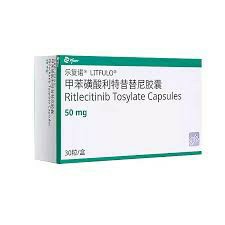
The medication strategy of ritexitinib emphasizes individualized management. For patients with a high risk of recurrence or with strong immune activity, it may be necessary to maintain a lower dose for long-term use to prevent recurrence of hair loss; while patients with mild to moderate symptoms can adopt an intermittent or short-term maintenance regimen after achieving effects. Dosage adjustment needs to be combined with blood routine, liver and kidney function and immune indicators to ensure efficacy while reducing the risk of adverse reactions such as infection, dyslipidemia or abnormal liver function.
During the treatment with ritexitinib, patients should undergo regular follow-up visits to monitor blood images, liver and kidney function, and immune-related indicators to detect potential side effects in a timely manner. Doctors will adjust the medication plan based on recurrence risk and efficacy evaluation to balance efficacy and safety. In general, ritexitinib does not necessarily require lifelong medication. Instead, short-term intensive treatment or long-term maintenance strategies are formulated based on individual conditions. Through scientific management, hair regeneration and long-term stability can be achieved while minimizing drug risks.
Reference materials:https://www.drugs.com/
[ 免责声明 ] 本页面内容来自公开渠道(如FDA官网、Drugs官网、原研药厂官网等),仅供持有医疗专业资质的人员用于医学药学研究参考,不构成任何治疗建议或药品推荐。所涉药品可能未在中国大陆获批上市,不适用于中国境内销售和使用。如需治疗,请咨询正规医疗机构。本站不提供药品销售或代购服务。


