
.jpeg)
Is it necessary to take long-term use of rubitin/rubicatin (Zanbiga) and its safety analysis
Lurbinectedin (Lurbinectedin) is a new type of DNA light chain binding inhibitor, which mainly induces tumor cell apoptosis by binding to cancer cell DNA and inhibiting the activity of transcription factors. It has been approved to treat patients with relapsed small cell lung cancer (SCLC), particularly those who have relapsed after platinum-based chemotherapy. Compared with traditional chemotherapy drugs, rubicatin is more targeted and can directly act on the tumor transcription mechanism to achieve tumor suppression effects. However, it is not an oral maintenance drug and is usually administered via intravenous infusion cycles. The length of the course of treatment is closely related to the patient's condition, tolerance and efficacy. Therefore, whether it needs to be taken for a long time needs to be judged based on individual circumstances.
Clinical trials have shown that the conventional dosing regimen of rubicatin is intravenous infusion once every three weeks, with each dose calculated based on body surface area (e.g.3.2 mg/m²). It is usually used continuously for several cycles until disease progression or intolerable toxicity occurs. For patients with disease remission, multi-cycle treatment can be continued according to physician recommendations, but long-term continuous medication is less necessary because it is mainly used to control relapsed or progressive tumors. Some patients can achieve disease stabilization or partial remission after completing several cycles of treatment, so long-term maintenance medication is not necessary for all patients.
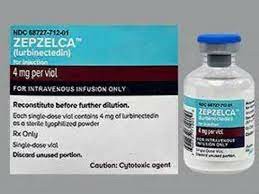
Rubicatin is generally well tolerated, but there are still certain risks. Common adverse reactions include neutropenia, anemia, thrombocytopenia, nausea, vomiting, fatigue and mild liver function abnormalities. Serious adverse events are relatively rare, but may affect bone marrow function and the immune system, so regular monitoring of blood and liver and kidney functions is required. During long-term continuous medication, patients need to pay special attention to the risk of infection, maintain good personal hygiene and avoid contact with sources of infection. In addition, individual patients may experience discomfort related to intravenous infusion, such as injection site reaction or transient hypotension, and should promptly inform their doctor for treatment.
Taken together, rubitidine is not a drug that requires long-term oral or maintenance medication, and its course of treatment is mainly adjusted based on disease progression and tolerance. Patients should strictly abide by the doctor's dosage and cycle schedule during treatment, and are not allowed to extend or shorten the course of treatment without authorization. At the same time, safety monitoring should be done, including blood routine, liver and kidney function and clinical symptom assessment, and any abnormal reactions should be reported in a timely manner. Through scientific management of treatment courses and close follow-up, patients can achieve optimal results while ensuring safety. Overall, rubicatin is an efficient and highly targeted chemotherapy option, but long-term use requires caution and must be done under the guidance of a professional doctor to balance efficacy and safety.
Reference materials:https://www.drugs.com/
[ 免责声明 ] 本页面内容来自公开渠道(如FDA官网、Drugs官网、原研药厂官网等),仅供持有医疗专业资质的人员用于医学药学研究参考,不构成任何治疗建议或药品推荐。所涉药品可能未在中国大陆获批上市,不适用于中国境内销售和使用。如需治疗,请咨询正规医疗机构。本站不提供药品销售或代购服务。


