
.jpeg)
Medication precautions and safe medication guide for Ixazomib (Enleri)
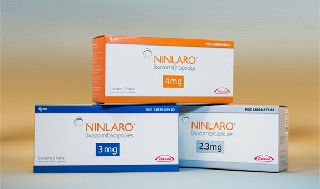
Ixazomib (Ixazomib), trade name: Ninlaro, is a second-generation oral proteasome inhibitor mainly used to treat multiple myeloma (Multiple Myeloma), often used in combination with lenalidomide (Lenalidomide) and dexamethasone (Dexamethasone). Its mechanism of action is to prevent the degradation of abnormal proteins in tumor cells by inhibiting the β5 subunit of the 26S proteasome, thereby inducing cell apoptosis. Compared with first-generation proteasome inhibitors (such as bortezomib), ixazomib has the advantages of oral convenience and lower peripheral neurotoxicity, bringing higher compliance and quality of life to long-term treatment patients. However, due to the complex metabolic pathways of drugs in the body and the possibility of causing multi-system adverse reactions, it is still necessary to strictly follow the medication instructions and perform reasonable monitoring during medication to ensure safety.
Ixazomib is an oral capsule preparation. The generally recommended dose is 4mg, once a week, taking it for three consecutive weeks and then taking a week off (i.e. 28 days constitute a cycle). Patients should take the medicine on an empty stomach at a fixed time, at least 1 hour before meals or at least 2 hours after meals. The capsules should not be broken, crushed or chewed. If you miss a dose due to vomiting or other reasons, you should not take it immediately but wait for the next normal medication time to continue taking the medication. For patients with renal or hepatic impairment, doctors may adjust the dose to 3 mg or less on a case-by-case basis to reduce the risk of drug accumulation. In addition, special attention should be paid to drug interactions when using combined drugs. For example, the combination of ixazomib and strong CYP3A inducers (such as rifampicin, carbamazepine, etc.) may reduce the efficacy of the drug. Patients should inform their doctor in advance before using other drugs.
Although ixazomib is an oral targeted drug, a series of systemic side effects may occur during treatment. The most common ones include hematological toxicity (such as thrombocytopenia, anemia, neutropenia), gastrointestinal reactions (such as nausea, diarrhea, vomiting), rash and edema, etc. Some patients may develop peripheral neuropathy, abnormal liver function, or an increased risk of infection. Mild discomfort can be relieved with supportive care, such as using antiemetics, maintaining adequate fluid intake, eating a balanced diet, and getting adequate rest. If the platelet count drops significantly or serious infection occurs, the drug should be stopped immediately and a doctor should be consulted. If necessary, the dose should be adjusted or the interval between drug discontinuation should be extended. People with skin allergies can use antihistamines or glucocorticoids for short-term symptomatic treatment. For long-term users, it is recommended to monitor blood picture, liver and kidney function and weight changes every 1 to 2 weeks in order to detect potential adverse reactions early and deal with them in time.
During the entire treatment cycle, patients should strictly abide by the doctor's prescription and avoid changing the dosage or stopping the medication on their own, otherwise it may lead to disease recurrence or drug resistance. Female patients should avoid pregnancy while taking the drug and for at least 90 days after stopping the drug. Male patients should also take contraceptive measures to prevent potential harm to the fetus caused by the drug. Patients should maintain good eating habits, avoid high-fat and high-salt foods, and increase the intake of fruits and vegetables to improve gastrointestinal reactions. During treatment, you should minimize contact with sources of infection, wear a mask when going out, and maintain good hand hygiene, as medications may temporarily reduce immunity. If abnormal symptoms such as fever, cough, rash, jaundice or persistent vomiting occur, seek medical attention immediately. At the same time, regular follow-up visits, recording adverse reactions, and maintaining communication with the attending doctor are the keys to ensuring long-term efficacy and safety. Overall, ixazomib is a highly effective and well-tolerated oral proteasome inhibitor, but it must be used under the guidance of a professional physician to minimize drug-related risks while improving survival rates.
Reference materials:https://www.drugs.com/
[ 免责声明 ] 本页面内容来自公开渠道(如FDA官网、Drugs官网、原研药厂官网等),仅供持有医疗专业资质的人员用于医学药学研究参考,不构成任何治疗建议或药品推荐。所涉药品可能未在中国大陆获批上市,不适用于中国境内销售和使用。如需治疗,请咨询正规医疗机构。本站不提供药品销售或代购服务。


