
.jpeg)
Sparsentan (sparsentan) dosage, usage and medication instructions
Sparsentan is a dual receptor antagonist that simultaneously blocks endothelinA receptors (ETA) and angiotensinII Type 1 receptor (AT1) is used to treat IgA nephropathy (IgAN) or focal segmental glomerulosclerosis (FSGS) and other proteinuria-related diseases. Compared with traditional single-target RAAS inhibitors, sparsentan has stronger efficacy in reducing proteinuria and delaying the deterioration of renal function. Clinical studies have shown that after continuous use, the drug can significantly reduce urinary protein levels within 24 weeks and provide patients with renal protection. Therefore, reasonable dosage and treatment course management are particularly critical to maintaining efficacy.
The generally recommended starting dose for adults is200mg Take it orally once a day, before or after a meal, but it is recommended to take the drug at a fixed time to maintain a stable blood concentration. Based on the patient's tolerance and efficacy, doctors can gradually increase the dose to a once-daily maintenance dose of 400 mg after 2 to 4 weeks. For patients with mild to moderate renal insufficiency, dose adjustment is usually not required, but if accompanied by obvious liver function abnormalities, caution should be used or the dose should be adjusted. During the entire medication process, patients must strictly follow the doctor's instructions and should not increase or decrease the dosage or stop medication suddenly to prevent blood pressure fluctuations or recurrence of the condition.
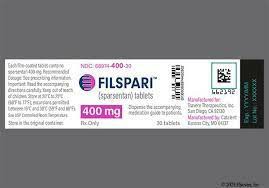
The course of sparsentane treatment depends on the type and progression of the disease. For patients with IgA nephropathy, it is usually recommended to take it continuously for at least 6 months to 1 years to ensure stable improvement of proteinuria and renal function indicators; for FSGS patients, a longer course of treatment may be required, and some patients even require maintenance long-term medication. Clinicians will generally monitor the patient's blood pressure, serum creatinine, urine protein/creatinine ratio and other indicators every 8 to 12 weeks to evaluate efficacy and tolerability. If proteinuria does not decrease significantly after 3 to 6 months, you should consider whether to adjust the dose or combine it with other treatment options.
During the use of sparsentane, blood pressure, renal function, electrolyte levels and changes in liver enzymes need to be closely monitored to prevent adverse reactions such as hypotension, elevated blood potassium or liver function damage. Female patients should avoid becoming pregnant while taking the drug because the drug may cause risks to the fetus. If you experience dizziness, fatigue or edema during the early stages of medication, you should promptly inform your doctor to adjust the dose. During the course of treatment, patients should maintain a low-salt diet, control their weight, avoid excessive use of NSAIDs, and undergo regular review. Generally speaking, sparsentan is an innovative drug with clear efficacy and high safety, but it must be used under the guidance of professional doctors for long-term and standardized use in order to maximize its renal protection effect.
Reference materials:https://www.drugs.com/
[ 免责声明 ] 本页面内容来自公开渠道(如FDA官网、Drugs官网、原研药厂官网等),仅供持有医疗专业资质的人员用于医学药学研究参考,不构成任何治疗建议或药品推荐。所涉药品可能未在中国大陆获批上市,不适用于中国境内销售和使用。如需治疗,请咨询正规医疗机构。本站不提供药品销售或代购服务。


