
.jpeg)
Management and monitoring plan for patients with abnormal liver function on Pimitespib
Pimitespib is a selective heat shock protein 90 (HSP90) inhibitor, mainly used to treat patients with drug-resistant tumors such as advanced or recurrent gastrointestinal stromal tumors (GIST). Since the drug is metabolized in the liver, it has certain effects on liver function. Some patients may experience liver function damage such as elevated transaminases and abnormal bilirubin during use. Therefore, liver function needs to be evaluated before treatment and used with caution in patients with moderate or severe hepatic insufficiency.
Before initiating pimotebib therapy, a comprehensive liver function test should be performed, including assessment of ALT, AST, ALP, total bilirubin, and albumin levels. For patients with mildly abnormal liver function (Child-Pugh A), they can generally be used at regular doses, but close monitoring is required. If the patient has moderate or severe liver function abnormalities (Child-Pugh B or C), it is recommended to reduce the dosage or extend the dosing interval under the guidance of a doctor. If there is a significant increase in liver enzymes exceeding the upper limit of normal by more than 3 times during treatment, suspension of medication and further evaluation should be considered.
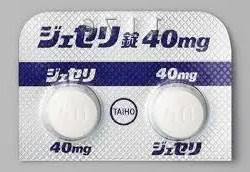
During treatment, it is recommended to monitor liver function indicators every 1-2 weeks. Especially in the early stages of treatment or when combined with other hepatotoxic drugs, the frequency of monitoring should be increased. Once ALT or AST is found to be significantly elevated, the drug should be stopped immediately and symptomatic treatment should be carried out, such as giving auxiliary treatment with hepatoprotective drugs (such as polyene phosphatidylcholine, reduced glutathione, etc.). After returning to the normal range, pimotebib can be resumed cautiously under physician evaluation, but the dose needs to be reduced or the dosage regimen needs to be adjusted.
In addition to doctor monitoring, patients should also pay attention to their diet and living habits. During treatment, you should avoid drinking alcohol, eating less high-fat and spicy foods, and reduce the use of other drugs or health products that may damage the liver. Maintaining a regular schedule, adequate fluid intake, and balanced nutrition can help restore liver function. If symptoms such as loss of appetite, fatigue, jaundice, or darkened urine occur, you should report it to your doctor immediately. With strict monitoring and individualized management, patients with abnormal liver function can still safely benefit from pimoteb therapy.
Reference materials:https://www.drugs.com/
[ 免责声明 ] 本页面内容来自公开渠道(如FDA官网、Drugs官网、原研药厂官网等),仅供持有医疗专业资质的人员用于医学药学研究参考,不构成任何治疗建议或药品推荐。所涉药品可能未在中国大陆获批上市,不适用于中国境内销售和使用。如需治疗,请咨询正规医疗机构。本站不提供药品销售或代购服务。


