
.jpeg)
Detailed functions, efficacy and clinical application summary of estramustine (Adelox)
Estramustine (Estramustine) is a unique chemically synthesized drug that combines the dual structure of estrogen and an alkylating agent. It has both microtubule inhibitory effects and hormone regulatory functions. It can interfere with the assembly of cellular microtubules, inhibit mitosis, and thus prevent cancer cell proliferation. At the same time, the estrogen part can enhance the selectivity of the drug in prostate tissue, giving it certain advantages in targeting prostate cancer.
Estramustine is primarily used to treat prostate cancer, especially in patients with advanced, metastatic, or hormone-refractory prostate cancer. Its anti-tumor effect is reflected in dual mechanisms: on the one hand, it prevents tumor cell division and proliferation by inhibiting tubulin polymerization; on the other hand, the estrogen structure can inhibit the secretion of pituitary gonadotropins and reduce testosterone levels in the body, thereby further inhibiting the growth of androgen-dependent prostate cancer. Clinical studies have shown that estramustine can delay disease progression and improve patients' progression-free survival.
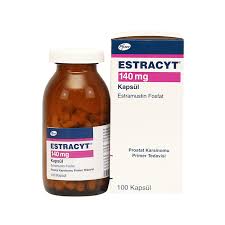
Clinically, estramustine is often used in combination with other hormone treatments or chemotherapy drugs to improve efficacy. For example, combination with prednisone, methotrexate, or paclitaxel may result in better responses in hormone-refractory prostate cancer. Additionally, for patients with metastatic prostate cancer, estramustine can be used to control symptoms associated with bone metastases and improve quality of life. Combination therapy requires individualized design based on patient tolerance and previous treatment history.
Although estramustine has a unique role in the treatment of prostate cancer, attention should be paid to potential adverse reactions such as the risk of cardiovascular events, thrombosis, and abnormal liver function during use. It is clinically recommended that patients regularly monitor hematological indicators, liver and kidney function, and cardiovascular status during medication. Overall, estramustine still has certain clinical value in the treatment of advanced prostate cancer by virtue of its dual mechanisms of microtubule inhibition and hormone regulation, and is one of the important choices among various treatment options.
Reference materials:https://www.drugs.com/
[ 免责声明 ] 本页面内容来自公开渠道(如FDA官网、Drugs官网、原研药厂官网等),仅供持有医疗专业资质的人员用于医学药学研究参考,不构成任何治疗建议或药品推荐。所涉药品可能未在中国大陆获批上市,不适用于中国境内销售和使用。如需治疗,请咨询正规医疗机构。本站不提供药品销售或代购服务。


