
.jpeg)
Analysis of clinical trial data and efficacy evaluation of rubitin/rubicatin (Zanbiga)
Lurbinectedin is a new type of anti-tumor drug that belongs to the DNA small molecule alkylating agent class. It can inhibit tumor cell DNA transcription and induce tumor cell apoptosis. The drug is mainly used for the treatment of patients with metastatic small cell lung cancer (SCLC) and some patients with recurrent solid tumors. Compared with traditional chemotherapy drugs, rubitidine has shown better efficacy and controllable safety in clinical application, providing a new treatment option for patients with refractory tumors.
In the pivotal II clinical trial, rubitidine was used in patients with recurrent small cell lung cancer who had previously received platinum-based chemotherapy. The data showed that the overall response rate (ORR) reached 35.2% and the median duration of response was approximately 5.3 months, the median progression-free survival (PFS) is 3.9 months, and the median overall survival (OS) is about 9.3 months. The trial results show that rubitidine has considerable anti-tumor activity in patients with refractory SCLC, especially in patients with platinum-sensitive relapse.
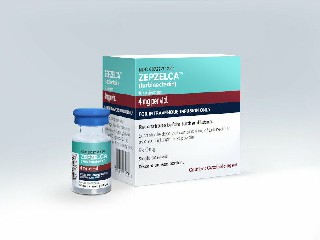
Clinical data and real-world studies show that while rubitidine improves tumor response rates, its side effects are relatively controllable. Common adverse reactions include bone marrow suppression (neutropenia, thrombocytopenia), fatigue, nausea and vomiting, most of which are mild to moderate and can be improved through dose adjustment or symptomatic treatment. During the period of patients receiving rubitidine, regular monitoring of blood routine and liver and kidney function can effectively reduce the incidence of serious adverse events.
Based on trial data and efficacy evaluation, rubitidine is suitable for patients with relapsed or refractory SCLC, especially those who are sensitive to or well tolerated by platinum-based chemotherapy. In clinical application, an individualized dosage regimen should be formulated based on the patient's tumor type, previous treatment history, and tolerance, and efficacy and safety indicators should be followed up regularly. Through scientific management, rubitin can provide reliable anti-tumor efficacy and long-term management strategies for patients with recurrent tumors, making it an important drug choice for the treatment of refractory small cell lung cancer.
Reference materials:https://www.drugs.com/
[ 免责声明 ] 本页面内容来自公开渠道(如FDA官网、Drugs官网、原研药厂官网等),仅供持有医疗专业资质的人员用于医学药学研究参考,不构成任何治疗建议或药品推荐。所涉药品可能未在中国大陆获批上市,不适用于中国境内销售和使用。如需治疗,请咨询正规医疗机构。本站不提供药品销售或代购服务。


