
.jpeg)
Is everolimus (Afinitor) a targeted drug or a chemotherapy drug? The difference between the two and medication guidance
Everolimus is an oral targeted drug that is an inhibitor of mammalian target of rapamycin (mTOR). It blocks the proliferation, angiogenesis and metabolic activity of tumor cells by inhibiting the mTOR signaling pathway. It is different from traditional chemotherapy drugs. Chemotherapy drugs mainly kill tumor cells by directly destroying the DNA or microtubule structure of rapidly dividing cells. Targeted drugs target specific molecular pathways or proteins to achieve "precise strikes" and have relatively controllable side effects.
In terms of mechanism of action, chemotherapy drugs such as doxorubicin and cisplatin are broad-spectrum cytotoxic drugs that affect all rapidly dividing cells, so they are prone to side effects such as bone marrow suppression, hair loss, and gastrointestinal reactions. Everolimus mainly acts on tumor cells with abnormally active mTOR pathway, inhibits tumor proliferation and angiogenesis, and causes less damage to normal cells. Therefore, clinical adverse reactions mainly include stomatitis, increased risk of infection, hyperglycemia, hyperlipidemia, etc., while bone marrow suppression is mild.
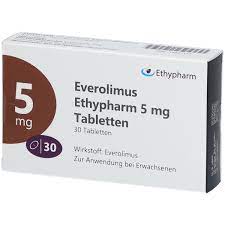
Everolimus is mainly used clinically for the prevention of kidney cancer, breast cancer, neuroendocrine tumors, solid tumor transplant rejection, etc. Medication is generally taken orally based on body surface area or a fixed dose. The starting dose needs to be adjusted based on liver and kidney function and concomitant medications. Patients need to regularly monitor blood routine, liver function, blood sugar and blood lipids while taking the drug, and avoid using it in combination with strong CYP3A4 inhibitors or inducers to prevent abnormal drug concentrations from causing a decrease in efficacy or an increase in toxicity.
In short, everolimus is a targeted drug rather than a traditional chemotherapy drug. Its advantages are strong selectivity, relatively controllable side effects, and it is suitable for a variety of mTOR pathway-related tumors. Clinical use should strictly follow doctor's instructions, pay attention to drug interactions and changes in laboratory indicators, and evaluate efficacy combined with imaging to achieve long-term and stable tumor control.
Reference materials:https://www.drugs.com/
[ 免责声明 ] 本页面内容来自公开渠道(如FDA官网、Drugs官网、原研药厂官网等),仅供持有医疗专业资质的人员用于医学药学研究参考,不构成任何治疗建议或药品推荐。所涉药品可能未在中国大陆获批上市,不适用于中国境内销售和使用。如需治疗,请咨询正规医疗机构。本站不提供药品销售或代购服务。


