
.jpeg)
How long should everolimus (Afinitor) be taken to see the therapeutic effect and treatment course recommendations?
Everolimus (Everolimus) is an oral mTOR inhibitor that is widely used to prevent tumors, organ transplant rejection and the treatment of certain rare diseases. Based on clinical studies and patient feedback, the therapeutic effects of everolimus are usually not immediately apparent within a short period of time. For cancer patients, it is generally necessary to take the drug continuously for 4 to 8 weeks, and then combine imaging examinations and laboratory indicators to initially evaluate the efficacy of the drug. This period of time is mainly used for the drug to reach a stable concentration in the body, thereby exerting anti-tumor or immunosuppressive effects.
In organ transplant patients, the main role of everolimus is to prevent rejection. Most clinical guidelines recommend starting medication in the early postoperative period and adjusting the dose based on blood concentration and the patient's immune response. Usually after taking 2 to 4 weeks, doctors will judge the therapeutic effect through blood drug concentration monitoring and transplant organ function evaluation, and adjust the dose based on the results to ensure both efficacy and safety.
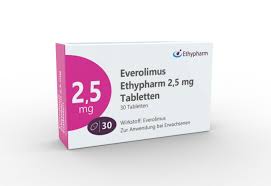
The length of treatment with everolimus varies depending on the type of disease, individual patient differences, and the purpose of treatment. Cancer patients usually require long-term, continuous medication until the disease progresses significantly or intolerable side effects occur; organ transplant patients may require long-term maintenance medication to reduce the risk of rejection. The length of treatment needs to be comprehensively determined based on the patient's tolerance, concomitant medications, and regular follow-up results.
During the actual medication process, patients should strictly follow the doctor's instructions and should not stop medication or change the dosage at will. Premature discontinuation may result in decreased efficacy or disease recurrence, while inappropriate dosing may increase the risk of side effects. Doctors will develop an individualized medication plan based on the patient's blood drug concentration, clinical response and imaging evaluation results, and provide regular follow-up and treatment course adjustment suggestions to maximize treatment effects and ensure medication safety.
Reference materials:https://www.drugs.com/[ 免责声明 ] 本页面内容来自公开渠道(如FDA官网、Drugs官网、原研药厂官网等),仅供持有医疗专业资质的人员用于医学药学研究参考,不构成任何治疗建议或药品推荐。所涉药品可能未在中国大陆获批上市,不适用于中国境内销售和使用。如需治疗,请咨询正规医疗机构。本站不提供药品销售或代购服务。


