
.jpeg)
FDA expands selumetinib to children with NF1-related plexiform neurofibromas
The U.S. Food and Drug Administration has approved expanded indications for selumetinib (Selumetinib) for patients 1 year of age and older Pediatric patients with neurofibromatosis type 1 (NF1), who have symptomatic, inoperable plexiform neurofibromas (PN), expanded treatment to young children previously below the original authorized age threshold.
This action builds on the agency's 2020 approval of selumetinib for pediatric patients 2 years and older with NF1 and symptomatic, inoperable PN, making the drug the first targeted therapy for this indication. Together, these decisions reflect the significant morbidity associated with NF1 PN, including pain, disfigurement, and functional impairment, as well as the need for disease-directed options early in the disease.
The initial approval of selumetinib was mainly due to clinical results showing significant and lasting tumor shrinkage and symptom relief in children with NF1 PN, which laid the foundation for the first clinical application of selumetinib. The indication is now expanded to include patients 1 year of age and older, based largely on a regulatory bridging approach that involves comparing a new oral granule formulation (for young children who cannot swallow capsules) with an approved capsule formulation through pharmacokinetics and then matching pediatric exposure.
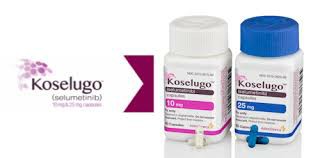
At the heart of this new formulation is the SPRINKLE study (NCT05309668), which evaluated the pharmacokinetics, safety, tolerability and exploratory efficacy of selumetinib granules in children aged 1 to 7 years with symptomatic, inoperable PN, enabling dosage recommendations and extrapolation to younger age groups. Combined with prior efficacy experience supporting the 2020 decision, these data support the expanded age indicator.
For pediatric patients withNF1 PN, administer twice daily orally based on their body surface area and discontinue upon disease progression or when toxicity becomes unacceptable, which is the same dosing schedule for capsule and granule formulations. The release of 1 granule provides a viable method for precise dosing and better acceptability in young children and toddlers who are unable to take capsules; thereby improving compliance and facilitating treatment initiation when PN-related symptoms arise. Pharmacists can help caregivers interpret body surface area calculations, align measured doses with available strengths, and reinforce dosing techniques that maintain dosing accuracy over time.
According to the FDA communication, careful attention to cardiac and ocular toxicities is recommended, as well as gastrointestinal and dermatological adverse events that require structured monitoring and prompt management to reduce the number of treatment interruptions. 1 The expanded pediatric data set does not indicate any new safety concerns; however, it demonstrates the need for baseline and periodic assessments appropriate to local practice standards.
Furthermore, laboratory parameters should be maintained under clinical observation to determine dose maintenance or reduction of adverse events, which should be done in a manner that balances persistence of antitumor benefit and patient tolerability. Pharmacists can implement these safeguards by coordinating baseline exams, scheduling follow-up evaluations, and educating families on early symptom recognition and reporting.
References:https://www.pharmacytimes.com/view/fda-expands-selumetinib-to-children-with-nf1-associated-plexiform-neurofibromas
[ 免责声明 ] 本页面内容来自公开渠道(如FDA官网、Drugs官网、原研药厂官网等),仅供持有医疗专业资质的人员用于医学药学研究参考,不构成任何治疗建议或药品推荐。所涉药品可能未在中国大陆获批上市,不适用于中国境内销售和使用。如需治疗,请咨询正规医疗机构。本站不提供药品销售或代购服务。


