
.jpeg)
Cabozantinib Efficacy and Contraindications
Cabozantinib (Cabozantinib) is a highly efficient oral targeted drug with multiple anti-tumor mechanisms. It mainly inhibits the activity of multiple kinases such as vascular endothelial growth factor receptor (VEGFR2), MET, AXL, RET, etc., thereby blocking tumor cell growth and angiogenesis. Its efficacy is outstanding in the treatment of malignant tumors such as renal cell carcinoma (RCC), hepatocellular carcinoma (HCC) and differentiated thyroid cancer (DTC). It is one of the main targeted drugs recommended by international guidelines. Drugs can effectively control tumor progression, improve symptoms, and significantly extend survival in some patients. Its combination with immunotherapy (such as nivolumab) also shows a high treatment response rate, providing a new treatment strategy for advanced patients.
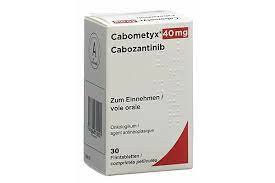
However, although cabozantinib is effective, it also has certain contraindications and precautions. First, it should be used with caution in patients with severe hepatic impairment or uncontrolled hypertension, as the drug may increase the metabolic burden on the liver and cause an increase in blood pressure. Secondly, cabozantinib is contraindicated in pregnant and lactating women because of its higher potential risk to the fetus and infant. In addition, it is necessary to avoid concurrent use with strong CYP3A4 inhibitors or inducers during medication to avoid affecting drug plasma concentration. If patients develop severe oral mucositis, hand-foot syndrome or gastrointestinal bleeding while taking the medication, they should stop taking the medication in time and adjust the dosage under the guidance of a doctor. It is worth mentioning that cabozantinib may affect wound healing, so its use should be suspended before and after surgery, usually at least 28 days before surgery.
In summary, cabozantinib, as a potent multi-target inhibitor, plays an important role in tumor treatment. Its efficacy is reflected in multiple aspects such as inhibiting cancer cell growth, angiogenesis and metastasis, but the safety of the drug needs to be closely monitored. Doctors can develop an individualized dosage plan after assessing the patient's condition, liver and kidney function, and concomitant medications to maximize efficacy and reduce risks.
Reference:https://en.wikipedia.org/wiki/Cabozantinib
[ 免责声明 ] 本页面内容来自公开渠道(如FDA官网、Drugs官网、原研药厂官网等),仅供持有医疗专业资质的人员用于医学药学研究参考,不构成任何治疗建议或药品推荐。所涉药品可能未在中国大陆获批上市,不适用于中国境内销售和使用。如需治疗,请咨询正规医疗机构。本站不提供药品销售或代购服务。


