
.jpeg)
Comprehensive analysis of the types of diseases and pharmacological effects of ensifentrine-Ohtuvayre
Ensifentrine (trade name Ohtuvayre) is a new dual phosphodiesterase (PDE3/PDE4) inhibitor, mainly used to treat chronic obstructive pulmonary disease (COPD) and related respiratory diseases. Its unique dual mechanism of action gives it significant advantages in relieving airway obstruction, improving lung function and alleviating symptoms. Clinical studies have shown that exefentine can be used in patients with mild, moderate to severe COPD, especially those who are refractory to standard bronchodilators or who require combination therapy.
From a pharmacological perspective, exefentine enhances the relaxation of airway smooth muscles by inhibiting PDE3, thereby improving respiratory ventilation function. At the same time, it reduces the release of inflammatory mediators and reduces airway inflammatory response by inhibiting PDE4. This dual effect not only improves lung function, but also reduces symptoms such as coughing, shortness of breath, and dyspnea, allowing patients to achieve a better quality of life during daily activities. In addition, the local inhalation method of exefentine allows the drug to directly act on the airways, improving efficacy and reducing the risk of systemic side effects.
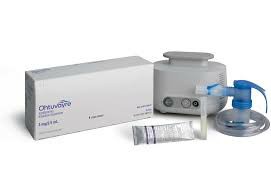
Clinical trials have shown that exefantine has a positive effect in improvingFEV1 (forced expiration in one second), relieving symptom scores and reducing exacerbations. Especially when combined with traditional inhaled bronchodilators or glucocorticoids, it can significantly improve lung function and reduce the frequency of acute exacerbations. The patient's self-perception improved significantly, and his nighttime symptoms and morning dyspnea were relieved.
In practical applications, exefantine is suitable for adult COPD patients, including patients with dyspnea caused by chronic bronchitis and emphysema. Lung function and disease severity need to be assessed before use, and an individualized treatment plan should be developed according to the guidance of a doctor. Long-term use requires attention to potential side effects, such as tachycardia or mild arrhythmia, and regular follow-up and pulmonary function testing to ensure a balance between drug efficacy and safety. In summary, exefentine provides a new treatment option for patients with COPD, and its unique dual mechanism gives it obvious advantages in improving airway obstruction and controlling inflammation.
Reference materials:https://www.drugs.com/
[ 免责声明 ] 本页面内容来自公开渠道(如FDA官网、Drugs官网、原研药厂官网等),仅供持有医疗专业资质的人员用于医学药学研究参考,不构成任何治疗建议或药品推荐。所涉药品可能未在中国大陆获批上市,不适用于中国境内销售和使用。如需治疗,请咨询正规医疗机构。本站不提供药品销售或代购服务。


