
.jpeg)
The therapeutic effect of Trientine hydrochloride on heart failure
Although Trientine is mainly used to treat Wilson's disease (rare disease), recent studies have shown that it also has a potential role in the treatment of heart failure. Heart failure (heart failure) is often accompanied by abnormal myocardial copper load and increased oxidative stress. As a copper chelator, trientine can reduce the level of free copper ions in the body, inhibit the generation of free radicals catalyzed by copper ions, and reduce myocardial oxidative damage. This antioxidant effect improves myocardial structure and function and reduces the risk of heart failure progression.
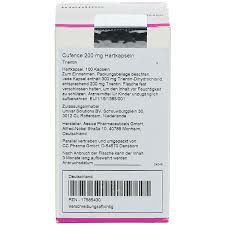
Clinical observations show that patients who use trientine for a long time have certain improvements in their left ventricular ejection fraction (LVEF) and myocardial diastolic function. This is mainly due to the fact that trientine reduces myocardial cell damage and inhibits myocardial fibrosis by reducing copper load, thereby improving myocardial compliance and pumping ability. In addition, copper chelation may also have a certain regulatory effect on the inflammatory response in the cardiovascular system, further assisting the recovery of cardiac function.
In patients with heart failure, the use of trientine is still in the exploratory stage, mainly focusing on the study of cardiomyopathy and secondary heart failure related to abnormal copper metabolism. Although its antioxidant and anti-fibrotic potential is interesting, more clinical trials are needed to verify efficacy, dosage and safety. Therefore, trientine hydrochloride is more of a potential auxiliary treatment in the treatment of heart failure than a standard first-line drug.
When patients use trientine for auxiliary treatment of heart failure, they should be combined with conventional heart failure treatments, such as ACE inhibitors, beta blockers or diuretics, under the guidance of a cardiologist. Blood copper levels, liver function and cardiac function indicators should be monitored at the same time to evaluate the treatment effect and avoid potential risks.
In summary, trientine hydrochloride may have a protective effect on some patients with heart failure by reducing free copper ions in the body, inhibiting oxidative stress and myocardial fibrosis, and provides a new idea for the adjuvant treatment of heart failure, but further clinical verification is needed.
Reference materials:https://www.cufence.com/
[ 免责声明 ] 本页面内容来自公开渠道(如FDA官网、Drugs官网、原研药厂官网等),仅供持有医疗专业资质的人员用于医学药学研究参考,不构成任何治疗建议或药品推荐。所涉药品可能未在中国大陆获批上市,不适用于中国境内销售和使用。如需治疗,请咨询正规医疗机构。本站不提供药品销售或代购服务。


