
.jpeg)
Instructions for use of Asnib/Asiminib and patient medication guidelines
Asciminib (also known as Asciminib) is a new type of targeted drug mainly used to treat chronic myelogenous leukemia (CML), especially for patients who are resistant or intolerant to first-line or multiple lines of tyrosine kinase inhibitors (TKI). As a first-class STI-571 BCR-ABL inhibitor, it binds to the BCR-ABL protein’s “pile site” (myristoyl pocket), which has a different mechanism of action from the traditional TKIATP binding site, thereby effectively inhibiting the abnormal proliferation of leukemia cells. This unique mechanism allows Asciminib to show higher efficacy in chronic myeloid patients and provides a new treatment option for drug-resistant patients.
In terms of usage and dosage, Asciminib’s standard dosage needs to be determined based on the patient’s condition and previous treatment history. The commonly used clinical dosage is oral administration once a day, ranging from 40mg to 80mg each time. The specific dosage is adjusted by the doctor based on the patient's tolerance and efficacy. Patients should strictly follow the doctor's instructions when taking the medicine, and should not increase or decrease the dose at will to avoid drug toxicity or reduction in efficacy. For some specific patients, such as those with liver and kidney damage, dose adjustment is particularly important. Doctors may make individualized dose adjustments based on liver function index or glomerular filtration rate (GFR) to ensure drug safety.
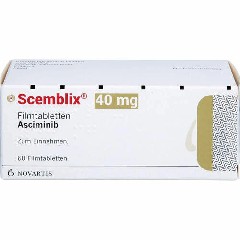
In terms of medication guidelines, Asciminib should be swallowed whole and should not be chewed, crushed or dissolved to avoid affecting drug absorption and bioavailability. It is best to take it with food and avoid taking it on an empty stomach to reduce gastrointestinal discomfort. Patients should maintain a regular medication schedule during the medication period. It is recommended to take the medication at a fixed time every day to maintain the stability of blood drug concentration and improve the efficacy. If you miss a dose due to special reasons, you should take it as soon as possible. However, if it is close to the next dose time, you should skip the missed dose and never take a double dose at one time.
During the period of taking the medicine, patients need to undergo regular hematology and biochemical tests, including blood routine, liver function, kidney function, platelet count, etc., in order to detect possible adverse reactions in a timely manner. Common side effects include fatigue, gastrointestinal discomfort, thrombocytopenia, abnormal liver function, etc. If obvious symptoms occur, you should seek medical treatment immediately and inform the attending physician. The long-term efficacy of Asciminib depends on the patient's insistence on regular medication. Therefore, under the guidance of a doctor, the patient should continue to take the medication until the disease is controlled or intolerable toxicity occurs. In addition, patients should avoid stopping medication or changing treatment regimens on their own to avoid disease recurrence or drug resistance.
In general, the use of Assiminib/Assiminib emphasizes individualization, regular medication and strict monitoring. During the period of medication, patients should closely cooperate with their doctors to conduct hematological and biochemical index reviews, and pay attention to their diet and living habits to maximize the efficacy of the medication and reduce the risk of side effects. Standardized medication, scientific monitoring and persistence in long-term treatment are the keys to ensuring the best therapeutic effect for patients with chronic myelogenous leukemia.
Reference materials:https://www.drugs.com/
[ 免责声明 ] 本页面内容来自公开渠道(如FDA官网、Drugs官网、原研药厂官网等),仅供持有医疗专业资质的人员用于医学药学研究参考,不构成任何治疗建议或药品推荐。所涉药品可能未在中国大陆获批上市,不适用于中国境内销售和使用。如需治疗,请咨询正规医疗机构。本站不提供药品销售或代购服务。


