
.jpeg)
Analysis of the reasons why people dare not stop taking Roaccutane (isotretinoin) easily after taking it for three years
Roacintan (isotretinoinAacid) is mainly used to treat severe acne. It can effectively improve skin condition by regulating sebaceous gland secretion, inhibiting excessive proliferation of keratinocytes and having anti-inflammatory effects. For patients who have been taking it for three years, the drug has long-term control over the occurrence of acne and the skin condition is stable. Abrupt discontinuation of medication may result in a rapid resumption of sebum secretion, causing acne to relapse or worsen, and patients are therefore concerned about loss of efficacy.
After long-term use of isotretinoinAacid, sebaceous gland function may not fully return to normal. If the medication is easily stopped after three years of use, the incompletely stable skin environment may easily lead to acne recurrence. Clinical observation shows that some patients with severe acne experience acne rebound within a few months after stopping the medication, which is one of the important reasons why patients dare not stop taking the medication easily.
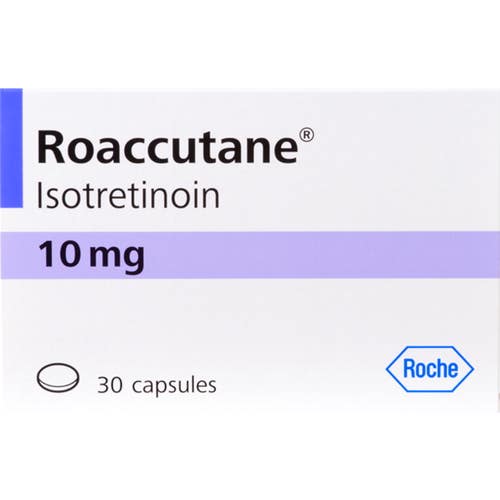
After long-term use of Roaccutane, patients often develop psychological dependence on the drug and worry that their skin condition will worsen after stopping the drug, affecting their appearance and social life. Even if the skin condition has significantly improved, the uncertainty of discontinuing medication will still increase anxiety and worry, causing patients to prefer to continue medication to ensure quality of life and self-confidence.
For patients who have been taking it for three years, doctors usually recommend gradually reducing the dose or evaluating the feasibility of stopping the drug under close monitoring, rather than stopping the drug suddenly. At the same time, combined with local vitamin Aacid drugs or other auxiliary treatments, the risk of acne recurrence can be reduced. Patients should fully communicate with their doctors before discontinuing medication, and develop an individualized discontinuation plan based on skin condition, acne severity, and past recurrence history, so as to balance efficacy and safety.
Reference materials:https://www.drugs.com/
[ 免责声明 ] 本页面内容来自公开渠道(如FDA官网、Drugs官网、原研药厂官网等),仅供持有医疗专业资质的人员用于医学药学研究参考,不构成任何治疗建议或药品推荐。所涉药品可能未在中国大陆获批上市,不适用于中国境内销售和使用。如需治疗,请咨询正规医疗机构。本站不提供药品销售或代购服务。


