
.jpeg)
Capmatinib dose adjustment recommendations for patients with renal impairment
Capmatinib (Capmatinib) is a targeted drug targeting MET gene mutations or amplifications. It is commonly used to treat non-small cell lung cancer patients with MET exon 14 skipping mutations. The drug is mainly metabolized through the liver metabolism pathway (CYP3A4 and UGT1A9), with a smaller proportion excreted by the kidneys. Therefore, mild to moderate renal impairment has limited effect on drug clearance and does not usually require routine dose adjustment. However, for patients with severe renal insufficiency, drug tolerance and blood concentration changes still need to be closely monitored to avoid accumulation and toxic side effects.
Based on clinical pharmacokinetic studies, mild (eGFR 60–89 mL/min) and moderate (eGFR 30–59 mL/min) Patients with renal impairment who took standard doses of capmatinib (400 mg twice daily) had no significant difference in drug exposure compared with those with normal renal function. Therefore, such patients can take capmatinib at the conventionally recommended dose without dose adjustment. However, during the treatment process, attention should be paid to regular review of renal function and hematological indicators to detect possible drug-related adverse reactions in a timely manner.
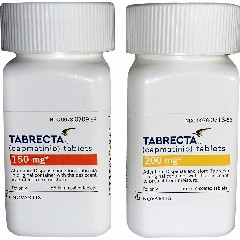
For patients with severe renal impairment (eGFR <30 mL/min), there is currently a lack of large-scale clinical trial data. Although the renal clearance of capmatinib is low, individualized evaluation is recommended during use due to possible accumulation of the drug or a decrease in the patient's overall metabolic capacity. Clinically, it may be considered to start from about 75% of the standard dose, gradually adjust according to tolerance, and strengthen monitoring of adverse reactions, such as changes in liver and kidney function, blood routine, edema and other symptoms. If necessary, you can collaborate with a clinical pharmacist or oncologist to develop a more precise medication plan.
Regardless of the patient's renal function status, regular monitoring of renal function, liver function, electrolytes and drug-related adverse events during capmatinib treatment is the key to safe medication. For patients with impaired renal function, attention should be paid to possible drug accumulation symptoms such as edema, fatigue, and gastrointestinal reactions, and dosage adjustments or medication suspension should be made in a timely manner. At the same time, reasonable hydration, controlling concomitant medication and avoiding the combination of nephrotoxic drugs are also important auxiliary measures to reduce risks and improve efficacy.
Reference materials:https://www.drugs.com/
[ 免责声明 ] 本页面内容来自公开渠道(如FDA官网、Drugs官网、原研药厂官网等),仅供持有医疗专业资质的人员用于医学药学研究参考,不构成任何治疗建议或药品推荐。所涉药品可能未在中国大陆获批上市,不适用于中国境内销售和使用。如需治疗,请咨询正规医疗机构。本站不提供药品销售或代购服务。


