
.jpeg)
Common side effects and safe medication precautions of sparsentan
1. Drug introduction and mechanism of action
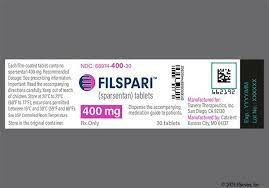
Sparsentan (Sparsentan) is an oral dual receptor antagonist that mainly targets endothelin receptors (ET) and angiotensinII receptors (AT1). It has both vasodilator and anti-proteinuric effects. Developed by Retrophin, it was initially used to treat primary glomerular diseases such as FSGS (focal segmental glomerulosclerosis) and has shown the potential to significantly reduce proteinuria and delay the decline of kidney function in clinical trials. Compared with traditional single-target drugs, sparsentan's dual mechanism can simultaneously reduce blood pressure elevation and glomerular stress, thereby providing more comprehensive protection for patients with kidney disease.
2. Common clinical side effects
In clinical studies, sparsentan was generally well tolerated, but some patients still experienced a certain degree of adverse reactions. Common side effects include:
1. Blood pressure related reactions: Due to its vasodilatory effect, some patients may experience hypotension or dizziness, especially during the initial dose or dose adjustment period. Patients need to monitor their blood pressure and adjust the dosage under the guidance of their doctor.
2. Hematological changes: A small number of patients may experience anemia, mild decrease in platelets or changes in white blood cells. Regular blood routine monitoring is required to detect abnormalities in time.
3.Gastrointestinal reactions: including nausea, diarrhea, indigestion, etc., mostly mild to moderate, which can be relieved by taking the medicine with meals or slowing down the speed of taking the medicine.
4.Abnormal liver function: Some patients experience elevated transaminases, and liver function needs to be monitored regularly, and the dose should be adjusted or medication suspended if necessary.
5. Edema and fluid retention: Due to the impact on vascular endothelium and glomeruli, a small number of patients may experience mild edema or fluid retention. They need to pay attention to weight changes and lower limb edema.
Most side effects are mild to moderate, have low discontinuation rates, and can be effectively managed with monitoring and supportive care.
3. Precautions for safe medication use
1. Blood pressure monitoring: During the initiation of treatment and dose adjustment, blood pressure should be measured every day, especially for patients with hypotension or cardiovascular disease, who need to be more cautious. If you experience obvious dizziness or a drop in blood pressure, you should seek medical attention promptly.
2.Renal function assessment: Patients need to assess renal function (serum creatinine, eGFR before use), should be reviewed regularly during treatment to ensure that the drug does not further damage kidney function.
3.Liver function monitoring: It is recommended to monitor liver function indicators such as transaminases and bilirubin every month or every two months. Once the abnormality exceeds the upper limit of 2~3 times, the dosage should be suspended or adjusted.
4.Drug interactions: Sparsentan may interact with other antihypertensive drugs, diuretics or liver metabolism drugs. Patients should inform their doctors of all drugs they are taking to avoid additive effects or increased toxicity.
5.Regular laboratory follow-up: It is recommended to regularly check blood routine, electrolytes, urine routine and proteinuria levels in order to adjust the medication plan according to the treatment effect and side effects.
4. Medication guidance and clinical reference
In clinical practice, sparsentane should be used under the guidance of an experienced nephrologist or internist. The initial dose is usually lower and titrated based on blood pressure, kidney function, and side effects. Patients should strictly follow medical instructions and avoid stopping or increasing the dosage on their own to ensure efficacy and safety. For high-risk patients (such as the elderly, those with cardiac and renal insufficiency, or users of multiple antihypertensive drugs), it is necessary to strengthen monitoring and, if necessary, combine other renal protection drugs, such as ACEI or ARB, to obtain better renal protection.
In addition, patients should pay attention to lifestyle management while taking the medication, including a low-salt diet, regular exercise and avoiding dehydration, which can help reduce the risk of side effects and optimize treatment effects. With the accumulation of clinical experience, the application prospects of sparsentane in FSGS and other proteinuric kidney diseases are widely optimistic, providing a new treatment option for patients with high-risk kidney diseases.
Reference materials:https://www.drugs.com/
[ 免责声明 ] 本页面内容来自公开渠道(如FDA官网、Drugs官网、原研药厂官网等),仅供持有医疗专业资质的人员用于医学药学研究参考,不构成任何治疗建议或药品推荐。所涉药品可能未在中国大陆获批上市,不适用于中国境内销售和使用。如需治疗,请咨询正规医疗机构。本站不提供药品销售或代购服务。


