
.jpeg)
Efficacy evaluation and medication recommendations of ritexitinib (Lefenox) after six months of taking it
Ritlecitinib (Ritlecitinib) is an oral JAK3 selective inhibitor, mainly used to treat moderate to severe alopecia areata (Alopecia Areata, AA). Clinical data shows that after six months of use, most patients can observe significant hair regrowth and reduction in hair loss area. In different dosage groups, about 40%~50% of patients can achieve scalp hair recovery of more than 50%, and some patients even exceed 75%. The efficacy is usually closely related to the individual disease course, hair loss area and early treatment response, and the efficacy is significantly improved compared with the early stage (3 months).
The six-month evaluation is usually quantified using the **SALT score (Severity of Alopecia Tool)** to evaluate the improvement in scalp hair loss area. Comparing the basic SALT score before treatment with the improvement after 6 months can intuitively reflect the efficacy. At the same time, patient self-evaluation and doctor observation records can also be used as auxiliary references. Most clinical studies have found that patients who continue to take medication regularly and follow doctor's instructions have a significantly higher decline in SALT scores than those who take medication intermittently or with insufficient dosage.
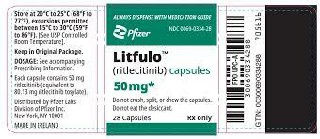
Ritexitinib was generally well tolerated during the six-month treatment period. Common side effects include mild headache, upper respiratory tract infection, gastrointestinal upset, or minor hematological abnormalities. Most side effects are mild to moderate and can be alleviated through monitoring and symptomatic treatment. For patients with abnormal hematological indicators or increased risk of infection, regular blood routine and liver and kidney function tests are required, and the dosage should be adjusted or medication suspended under the guidance of a doctor to ensure safety.
Based on the six-month efficacy evaluation results, patients with obvious efficacy and good tolerance can continue to maintain the original dose of treatment to consolidate the hair regeneration effect. If the effect is limited, the dosage can be adjusted or combined with other local treatments under the guidance of a doctor. During treatment, you should avoid stopping the medication or adjusting the dosage on your own to avoid affecting the efficacy. At the same time, it is recommended that patients cooperate with regular follow-up visits to record hair recovery and side effects to provide a basis for individualized medication.
Reference materials:https://www.drugs.com/
[ 免责声明 ] 本页面内容来自公开渠道(如FDA官网、Drugs官网、原研药厂官网等),仅供持有医疗专业资质的人员用于医学药学研究参考,不构成任何治疗建议或药品推荐。所涉药品可能未在中国大陆获批上市,不适用于中国境内销售和使用。如需治疗,请咨询正规医疗机构。本站不提供药品销售或代购服务。


