
.jpeg)
Comprehensive analysis and clinical reference of the efficacy and side effects of Asinib/Asiminib
1. Drug introduction and mechanism of action
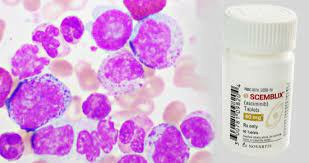
Asciminib (Asciminib, also translated as Asciminib) is an oral targeted drug developed by Novartis (Novartis). It belongs to the new generation of BCR-ABL1 inhibitors. Unlike previous tyrosine kinase inhibitors (TKIs) that work by binding to the ATP binding site, asinib works by selectively targeting the ABL myristoyl pocket (STAMP: Specifically Targeting the ABL Myristoyl Pocket), achieving a unique anti-leukemia mechanism. This novel combination allows it to remain effective in patients with chronic myeloid leukemia (CML) who are resistant to other TKIs, especially in the presence of resistance mutations such as the T315I mutation.
The main indications of Asnib are:
For adult patients with CML-CP (chronic phase chronic myelogenous leukemia) who are resistant or intolerant to other TKI (such as imatinib, dasatinib, nilotinib, etc.) after treatment;
It can also be an effective treatment option for adult patients with CML-CP who carry the T315I mutation.
With its unique mechanism of action and good tolerability, asinib has been considered to be another important breakthrough in the field of targeted therapy for CML since it was approved by the FDA in 2021 and has been widely used clinically in many countries, including Europe and the United States.
2. Clinical efficacy and therapeutic advantages
The clinical efficacy of asinib has been confirmed in multiple pivotal studies. Among them, the ASCEMBL study is a phase III randomized clinical trial that compared the efficacy and safety of asinib and bosutinib (Bosutinib) in CML-CP patients. Research results show:
At24At weeks, the rate of achieving major molecular response (MMR) in the asinib group was 25.5%, which was significantly higher than the 13.2% in the bosutinib group;
Asnib still maintains a high response rate and disease control rate during a longer follow-up period (96 weeks), showing durable efficacy;
For the T315I mutation population, asinib also showed good molecular response at 40mg or 80mg BID doses, providing limited treatment options after resistance to previous TKI treatments.
In addition, Asnib is taken as an oral tablet, once or twice a day (depending on the type of mutation and doctor's prescription), and patient compliance is high. Compared with traditional TKI, asinib's more precise mechanism of action brings a higher molecular response rate, can significantly delay disease progression, and improve long-term survival expectations.
3. Common side effects and safety assessment
The overall safety of Asnib is good in clinical trials and actual use, and most side effects are controllable and mainly mild to moderate. Common adverse reactions include:
Gastrointestinal reactions: such as nausea, diarrhea, vomiting, abdominal pain, etc., are usually mild and can be relieved by eating in portions, adjusting the medication time, etc.;
Hematological adverse reactions: including neutropenia, thrombocytopenia, anemia, etc., regular blood routine monitoring is required, and the dose is adjusted or the drug is temporarily discontinued according to the specific situation;
Abnormal liver function: Some patients will experience elevated transaminases, and liver function needs to be monitored regularly and medication adjusted if necessary;
Fatigue and musculoskeletal pain: Some patients will experience mild fatigue or muscle soreness, which generally does not affect daily life;
Elevated pancreatic enzymes: Occurs in some cases and requires monitoring of pancreatic function indicators.
Compared with second-generation TKIs such as bosutinibTKI, the incidence of adverse reactions such as diarrhea and rash caused by asinib is significantly lower, and its overall tolerability is considered to be better. However, in clinical practice, regular follow-up and laboratory monitoring are still needed to ensure a balance between efficacy and safety.
4. Clinical Application Reference and Medication Suggestions
In clinical use, Asnib is mostly used for the following types of patients:
Patients who have previously received TKI but developed resistance or intolerance CML-CP, especially after failure of treatment with imatinib, nilotinib or dasatinib;
For CML patients who carry the T315I mutation, as this mutation is resistant to most TKI, asinib has become an important treatment option;
Special groups that are not suitable for otherTKI treatments, such as patients with liver insufficiency or multiple complications, may consider the asinib regimen based on the doctor's evaluation.
It is clinically recommended to be used under the guidance of an experienced hematologist. The initial dose is generally 40 mg twice a day, or 80 mg twice a day (in the case of T315I mutation). During the period of medication, blood routine, liver function and pancreatic function need to be closely monitored, and the dose should be adjusted according to the grade of adverse reactions. In addition, patients should be reminded to take medication regularly and not to reduce or stop medication without authorization to avoid disease rebound or drug resistance.
Asciminib (Asciminib) is the world’s first STAMP mechanismBCR -ABL1 inhibitors have demonstrated breakthrough efficacy advantages in the treatment of chronic myelogenous leukemia, especially providing new treatment options for patients who have failed previous multiple lines of treatment and T315I mutations. Its unique target mechanism, high molecular response rate and good tolerability make it an important new weapon in the treatment field of CML. Although there are some side effects, most can be effectively managed with monitoring and dose adjustment. With the accumulation of more real-world data in the future, Asnib's clinical application prospects are widely optimistic, and it is expected to play an important role in more treatment lines.
Reference materials:https://www.drugs.com/
[ 免责声明 ] 本页面内容来自公开渠道(如FDA官网、Drugs官网、原研药厂官网等),仅供持有医疗专业资质的人员用于医学药学研究参考,不构成任何治疗建议或药品推荐。所涉药品可能未在中国大陆获批上市,不适用于中国境内销售和使用。如需治疗,请咨询正规医疗机构。本站不提供药品销售或代购服务。


