
.jpeg)
Adverse reaction management strategies for adagrasib (Krazati) and medication guidance for high-risk patients
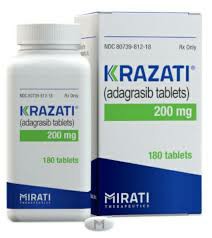
Adagrasib (Krazati, generic name: Adagrasib) is a KRAS G12C mutation inhibitor, mainly used to treat patients with KRAS Patients with malignant tumors such as non-small cell lung cancer and colorectal cancer with G12C mutations. The drug inhibits the activity of KRAS G12C protein and blocks the proliferation signals of tumor cells, thereby inhibiting tumor growth. Although its clinical efficacy has been confirmed by multiple studies, patients may experience a series of adverse reactions during treatment, especially discomfort related to the digestive tract, liver function, cardiovascular and central nervous system. Therefore, standardized adverse reaction management and medication guidance for high-risk groups are the keys to ensuring efficacy and safety.
First of all, the most common adverse reactions of adagrasib include gastrointestinal symptoms such as nausea, diarrhea, vomiting, fatigue and decreased appetite. Some patients may experience these reactions in the early stages of treatment. If not treated in time, they may lead to dehydration, electrolyte imbalance and even affect treatment compliance. In terms of management strategy, it is recommended that patients undergo a detailed gastrointestinal function assessment before taking medication. For patients with a history of digestive system diseases, preventive antiemetics and gastric mucosal protective agents should be given as appropriate, and patients should be instructed to eat small amounts and frequently and avoid irritating foods. When diarrhea of u200bu200bgrade ≥2 occurs, medication can be suspended and oral rehydration and antidiarrheal treatment can be given. After symptoms are relieved, treatment can be resumed based on clinical evaluation. For those with persistent vomiting or loss of appetite, antiemetic drugs such as 5-HT3 receptor antagonists can be used to improve symptoms if necessary.
Secondly, abnormal liver function is one of the adverse reactions that needs to be monitored during adagrasiib treatment. Clinical data shows that some patients may experience an increase in ALT, AST or total bilirubin during treatment, especially in patients with a history of liver disease or who are concurrently taking other hepatotoxic drugs. It is recommended to conduct baseline liver function tests before treatment and to monitor closely during the initial stage of treatment (such as once every 2 to 4 weeks). If liver function indicators are found to be slightly elevated, treatment can be continued and followed up closely; if liver function damage of ≥ grade 3 occurs, medication should be suspended immediately to check whether it is related to adagrasib, and hepatoprotective drugs or glucocorticoid intervention should be given if necessary. For high-risk patients with cirrhosis, hepatitis B, or fatty liver disease, extreme caution should be exercised when taking the drug, and the dose should be reduced if necessary and monitoring should be strengthened.
Third, cardiotoxicity and electrophysiological changes are another potential risk of adagrasib. Some patients may experience prolongation of the QT interval, arrhythmia or decreased cardiac function, especially when combined with other prolongation of QTIt is more prominent in patients with medications, underlying heart disease, or electrolyte imbalance. It is recommended to perform electrocardiogram and serum electrolyte assessment before administration and to monitor regularly during treatment. If there is obvious QT prolongation or abnormal heart rhythm, the medication should be suspended and the electrolyte imbalance should be corrected, and the treatment plan should be adjusted if necessary. For high-risk cardiovascular patients, such as the elderly or those with heart failure, the starting dose and monitoring frequency should be more conservative to avoid drug accumulation leading to serious events.
Finally, for elderly patients, those with liver and kidney dysfunction, or high-risk groups taking multiple medications, special individualized medication guidance is needed. Elderly patients have weaker metabolic abilities and are more likely to have adverse drug reactions. It is recommended to fully assess their general condition before taking medication, the starting dose can be appropriately reduced, and adverse reaction monitoring should be strengthened. For patients with abnormal renal function, the medication regimen should be adjusted based on creatinine clearance to avoid drug accumulation. Patients taking concomitant use of CYP3A4 inhibitors or inducers should fully assess the risk of drug interactions, because adagrasib is mainly metabolized by CYP3A and drug interactions may lead to abnormal increases or decreases in blood drug concentrations, thus affecting efficacy and safety.
Overall, adagrasib is of great significance in the treatment of KRAS G12C mutated tumors, but the management of its adverse reactions is equally important as the medication guidance for high-risk patients. Through adequate assessment before treatment, dynamic monitoring during treatment, and timely intervention after adverse reactions occur, risks can be minimized and treatment compliance and efficacy can be improved. In addition, good communication between doctors and patients, patient self-monitoring and early reporting of symptoms are also important parts of the management process. For high-risk groups, more individualized plans need to be formulated to ensure the efficacy while trying to avoid the occurrence of serious adverse events.
Reference materials:https://www.drugs.com/
[ 免责声明 ] 本页面内容来自公开渠道(如FDA官网、Drugs官网、原研药厂官网等),仅供持有医疗专业资质的人员用于医学药学研究参考,不构成任何治疗建议或药品推荐。所涉药品可能未在中国大陆获批上市,不适用于中国境内销售和使用。如需治疗,请咨询正规医疗机构。本站不提供药品销售或代购服务。


