
.jpeg)
How long does it take to develop resistance to Sotoraxib (AMG 510) and how to delay resistance
Sotorasib (Sotorasib, AMG 510) is a KRAS G12C targeted inhibitor that is widely used to treat patients with advanced non-small cell lung cancer carrying KRAS G12C mutations. Although the drug can bring significant tumor shrinkage and disease control effects in the initial treatment, similar to other targeted drugs, patients may develop resistance after being used for a period of time, resulting in weakened efficacy or disease progression. Clinical studies show that most patients begin to show signs of resistance after about 6 months of treatment, but some people can maintain therapeutic effects for a longer period of time. The time when drug resistance occurs is affected by many factors, including tumor genetic characteristics, disease duration and individual differences.
The resistance mechanisms of sotoraxib are mainly divided into two categories: target-dependent and independent. The former are mostly secondary mutations of the KRAS gene, such as Y96D mutations, which will directly affect the binding of drugs to the KRAS protein and reduce the inhibitory effect; the latter involves the abnormal activation of other signaling pathways. Such as changes in the EGFR, MET, or PI3K pathways, tumors can activate these alternative pathways to escape KRAS inhibition. In addition, some tumor cells may undergo phenotypic transformation or change the microenvironment, thereby forming new drug resistance mechanisms. These diverse resistance pathways make it difficult to maintain long-term efficacy of monotherapy.
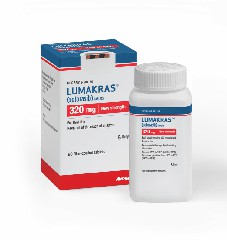
In order to delay the emergence of drug resistance, precise detection and personalized treatment strategies are usually adopted in clinical practice. Screening out suitable patients through genetic testing before treatment can improve the initial efficacy; during the treatment process, multiple pathways can be inhibited through combined targeted or immunotherapy to reduce the selection pressure of drug-resistant clones. There are currently studies exploring the combination of sotoracib with EGFR inhibitors or MET inhibitors in order to extend progression-free survival. In addition, regular imaging examinations and dynamic monitoring of ctDNA can help detect drug resistance trends early and adjust the plan in a timely manner.
When drug resistance occurs, it is particularly critical to conduct molecular testing again, which can clarify the drug resistance mechanism and provide a basis for subsequent treatment. For patients with KRAS secondary mutations, a new generation of KRAS may be consideredInhibitors or combination therapy can be carried out; if other pathways are activated, corresponding targeted drugs can be selected for combined or sequential use. Generally speaking, through standardized monitoring, reasonable combination and timely adjustment of treatment strategies, the occurrence of resistance to sotoraxib can be delayed to a certain extent and help patients obtain longer-term clinical benefits.
Reference materials:https://www.drugs.com/
[ 免责声明 ] 本页面内容来自公开渠道(如FDA官网、Drugs官网、原研药厂官网等),仅供持有医疗专业资质的人员用于医学药学研究参考,不构成任何治疗建议或药品推荐。所涉药品可能未在中国大陆获批上市,不适用于中国境内销售和使用。如需治疗,请咨询正规医疗机构。本站不提供药品销售或代购服务。


