
.jpeg)
Can tremelimumab/tremelimumab be combined with divalide?
Tremelimumab is an immune checkpoint inhibitor that targets CTLA-4 (Cytotoxic T-Lymphocyte-Associated Protein 4) and enhances the body's anti-tumor immune response by lifting the inhibitory state of T cells. Durvalumab is a monoclonal antibody targeting PD-L1, which improves the immune system's ability to recognize and kill tumors by blocking the immunosuppressive signals between tumor cells and T cells. The combined use of the two can synergistically activate T cells through different immune pathways, improve anti-tumor efficacy, and provide new treatment options for patients with a variety of refractory or advanced tumors.
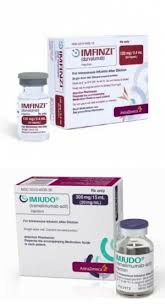
In the field of hepatocellular carcinoma (HCC), especially in patients with unresectable hepatocellular carcinoma (uHCC), temsitumumab combined with durvalumab has shown significant potential. Although immune checkpoint inhibitors alone can activate the immune system in patients with advanced HCC, the tumor microenvironment is complex and the efficacy of single drugs is limited. By combining CTLA-4 inhibitors and PD-L1 inhibitors, the inhibitory signals in the initial T cell activation phase and the inhibitory signals in the effector phase can be relieved at the same time, allowing T cells to recognize and kill tumor cells more effectively. This dual immune activation mechanism provides new therapeutic opportunities for HCC patients who are resistant to standard treatments or cannot be surgically removed. The combination regimen is suitable for adult patients with relatively good liver function and no symptoms of severe decompensation of cirrhosis. At the same time, close monitoring is required in a professional liver cancer center to prevent immune-related adverse events, such as hepatitis, rash, or enteritis.
In the field of non-small cell lung cancer (NSCLC), temsitumumab combined with durvalumab can be used in combination with platinum-based chemotherapy, and is suitable for metastatic patients without EGFR mutations or ALK gene abnormalities. This combined strategy improves the killing efficiency of tumor cells through the dual action mechanism of immune activation and chemotherapy. Platinum-based chemotherapy can directly induce tumor cell apoptosis, while releasing tumor antigens and enhancing the immune system's ability to recognize tumors; temsitumumab and durvalumab can further relieve immune suppression and enable the immune system to continuously attack residual tumors. In clinical practice, the combination regimen can improve the survival benefit of some advanced patients while ensuring efficacy, and provide new options for patients who are ineffective with standard chemotherapy.
It should be noted that although dual immune checkpoint inhibitors combined with chemotherapy have high efficacy, they also increase the risk of immune-related adverse reactions, such as liver function abnormalities, skin toxicity, thyroid dysfunction and gastrointestinal reactions. Patients must undergo strict monitoring during treatment, including hematology, liver and kidney function, and imaging evaluations, while following individualized dosage adjustments and physician guidance to ensure safety. For patients with chronic liver disease or autoimmune diseases, risks and benefits need to be carefully evaluated.
In summary, temsitumumab combined with durvalumab provides a new immunotherapy strategy for patients with unresectable hepatocellular carcinoma and specific subtypes of non-small cell lung cancer, which enhances anti-tumor activity through the synergy of dual immune pathways. The combined use not only expands the treatment options for advanced patients, but also provides important experience for the clinical application of immunotherapy.
Reference: https://www.drugs.com/mtm/tremelimumab.html
[ 免责声明 ] 本页面内容来自公开渠道(如FDA官网、Drugs官网、原研药厂官网等),仅供持有医疗专业资质的人员用于医学药学研究参考,不构成任何治疗建议或药品推荐。所涉药品可能未在中国大陆获批上市,不适用于中国境内销售和使用。如需治疗,请咨询正规医疗机构。本站不提供药品销售或代购服务。


