
.jpeg)
Comparison of safety and efficacy of platinib (Pujihua) combined with chemotherapy
1. Overview of Platinib
Pralsetinib (Pralsetinib) is an oral selective RET (Rearranged during Transfection) tyrosine kinase inhibitors are mainly used to treat RETfusion-positive non-small cell lung cancer (NSCLC), medullary thyroid cancer (MTC) and other RET driven solid tumors. RETGene fusion or mutation can activate downstream signaling pathways, promote tumor cell proliferation, inhibit apoptosis and enhance angiogenesis, thereby driving tumor development. By highly selectively inhibiting RET signals, Platinib can effectively block tumor growth signals and achieve tumor shrinkage or disease stabilization.
In monotherapy, platinib has shown significant efficacy. For example, in clinical trials, the overall response rate (ORR) of RETfusion-positive NSCLC patients can reach 60%above, the median progression-free survival (PFS) is about 17 months, and most adverse events are controllable hematological or non-hematological toxicities. This provides a basis for exploring combined use with chemotherapy.
2. Theoretical basis of combined therapy
Chemotherapy drugs such as cisplatin, carboplatin, pemetrexed, etc., exert anti-tumor effects by non-specifically inhibiting tumor cellDNA synthesis, inducing cell apoptosis or blocking the mitotic pathway. Traditional chemotherapy can quickly reduce tumor burden, but its efficacy lacks target selectivity and is often accompanied by problems such as bone marrow suppression, digestive system adverse reactions, and immune suppression.
The theoretical basis for combining platinib with chemotherapy is that targeted drugs can inhibit key tumor driving signals, and chemotherapy can quickly reduce tumor burden through cytotoxic effects. The two mechanisms are complementary. This combination strategy is especially suitable for patients with advanced RET fusion-positive tumors, multiple lesions, or rapid progression, and can control tumors in the short term while maintaining long-term targeted efficacy.
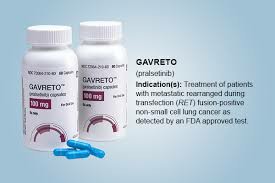
3. Comparison of efficacy
Multiple clinical studies and real-world data indicate that platinib combined with chemotherapy may be more effective than single-agent chemotherapy or platinib monotherapy:
1.Overall response rate (ORR) is improved: the tumor response rate in the combination treatment group is usually higher than that in the chemotherapy single-agent group, and can reach It is about 65%-70%, which is significantly improved compared to traditional chemotherapy 40%-50%ORR.
2.Progression-free survival (PFS) prolongation: Combination therapy can prolong the PFS median, and some trials have shown that the prolongation is about 3-6 months, especially in patients with large tumor burden or with brain metastasis.
3.Increased disease control rate (DCR): The combined strategy can increase the proportion of patients with partial and stable disease and reduce the risk of rapid disease progression.
4. Rapid tumor burden reduction: Chemotherapy can rapidly reduce tumor volume in the early stage, creating favorable conditions for subsequent platinib maintenance treatment.
It is worth noting that the improvement in the effect of combination therapy is mainly reflected in short-term tumor control and rapid reduction in disease burden, while the long-term survival benefit still needs to be verified by more large-scale randomized controlled trials.
4. Safety and adverse reactions
Although combination therapy has advantages in efficacy, safety is still a focus of clinical concern. Common adverse reactions of platinib monotherapy include hematological toxicity (such as anemia, thrombocytopenia), hypertension, abnormal liver function, fatigue and rash. Common adverse effects of chemotherapy include bone marrow suppression, nausea and vomiting, hair loss, immunosuppression, and risk of infection.
When used together, adverse reactions may have additive effects:
1. Increased hematological toxicity: The risk of anemia, leukopenia, and thrombocytopenia increases. Regular blood routine monitoring is required, and the dosage of chemotherapy or targeted drugs should be adjusted based on the blood picture.
2. Increased risk of infection: immunosuppression is more obvious. Patients should pay attention to preventing infection during treatment, avoid crowded places, and use anti-infective drugs according to the situation.
3. Monitoring of liver function and renal function: Combined use may increase the risk of elevated liver enzymes or creatinine. Especially for elderly patients or those with underlying liver and kidney diseases, functional monitoring should be strengthened.
4.Digestive system reactions: Nausea, vomiting, and diarrhea are more common and can be relieved by anti-vomiting drugs and supportive care.
Overall, most adverse reactions can be effectively managed through dose adjustment, supportive treatment and follow-up monitoring, and combination therapy does not significantly increase uncontrollable risks.
5. Clinical practice and application suggestions
In clinical practice, platinib combined with chemotherapy can be used as an option for patients with advanced RETfusion-positive NSCLC, especially when the patient has a large tumor burden, obvious symptoms, or needs to quickly control the disease. Specific strategies include:
Individualized treatment: Determine the dose of chemotherapy based on the patient's body surface area, liver and kidney function, and previous treatment history, and adjust the dose of platinib to maintain the targeted efficacy.
Staged medication: Some centers use short-term chemotherapy first to reduce the tumor burden, and then use long-term platinib to maintain the efficacy and reduce the risk of long-term toxicity.
Close monitoring: Blood routine, liver and kidney function, electrolytes and blood pressure should be monitored regularly and adverse events should be dealt with promptly.
Multidisciplinary collaboration: Combination medication involves medical oncology, neurology, and pharmacist teams to jointly formulate dosage adjustments and supportive treatment plans to ensure maximum safety and efficacy.
Platinib used in combination with chemotherapy in patients with RET fusion-positive tumors has shown the advantages of improved efficacy, faster disease control, and prolonged PFS in some patients. At the same time, the adverse reactions of combination therapy are mainly hematological toxicity and digestive system reactions, which can be effectively managed through standardized monitoring, dose adjustment and supportive treatment. The combination strategy is suitable for patients with large tumor burden or rapid progression, but individualized medication needs to be carried out under the guidance of a professional medical team. In the future, more large-scale randomized controlled trials will further verify the benefits of the combination regimen in long-term survival and quality of life, providing safer and more effective treatment options for patients with RET-driven tumors.
Reference link:https://www.drugs.com
[ 免责声明 ] 本页面内容来自公开渠道(如FDA官网、Drugs官网、原研药厂官网等),仅供持有医疗专业资质的人员用于医学药学研究参考,不构成任何治疗建议或药品推荐。所涉药品可能未在中国大陆获批上市,不适用于中国境内销售和使用。如需治疗,请咨询正规医疗机构。本站不提供药品销售或代购服务。


