
.jpeg)
Lenvatinib/Lenvatinib (Lenvima) efficacy and side effects description
Lenvatinib is a multi-target receptor tyrosine kinase inhibitor that achieves multi-dimensional regulation of tumor growth, angiogenesis and microenvironment by inhibiting multiple signaling pathways such as VEGFR1-3, FGFR1-4, PDGFRα, RET and KIT. Its main clinical efficacy is demonstrated in the treatment of a variety of solid tumors, including advanced renal cell carcinoma, unresectable hepatocellular carcinoma, radioactive iodine-refractory differentiated thyroid cancer and advanced endometrial cancer. By inhibiting tumor angiogenesis, lenvatinib can block the nutrient supply to tumors and delay disease progression; it also has a direct inhibitory effect on tumor cell proliferation and metastasis.
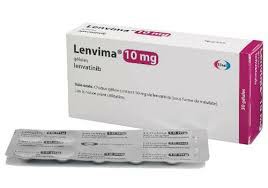
In clinical practice, lenvatinib can be used alone or in combination with immune checkpoint inhibitors to improve efficacy. Combination therapy can enhance the improvement of the tumor immune microenvironment and increase the sensitivity of tumors to immune cell attack, thereby improving the response rate and prolonging progression-free survival. For patients, this multi-target effect provides a more comprehensive anti-cancer strategy and also provides new treatment possibilities for drug-resistant patients.
Despite its remarkable efficacy, lenvatinib also has certain side effects and requires close clinical monitoring. Common adverse reactions include fatigue, decreased appetite, weight loss, nausea, oral ulcers, diarrhea, palmar and plantar erythema and pain (PPE syndrome), high blood pressure, hoarseness, etc. A small number of patients may develop more serious events such as nephrotic syndrome, abnormal liver function, pancreatitis, delayed wound healing, aneurysm or dissection, and bleeding. For patients who experience severe side effects, clinicians can control the risk by adjusting the dose, temporarily discontinuing the drug, or providing auxiliary symptomatic treatment.
While patients are using lenvatinib, they should conduct regular blood pressure monitoring, liver and kidney function tests and hematology monitoring to detect and deal with adverse events in a timely manner. At the same time, medication should be taken strictly in accordance with the doctor's instructions and avoid increasing or decreasing the dose or stopping the medication on your own to ensure efficacy and medication safety.
Reference materials:https://www.lenvima.com/
[ 免责声明 ] 本页面内容来自公开渠道(如FDA官网、Drugs官网、原研药厂官网等),仅供持有医疗专业资质的人员用于医学药学研究参考,不构成任何治疗建议或药品推荐。所涉药品可能未在中国大陆获批上市,不适用于中国境内销售和使用。如需治疗,请咨询正规医疗机构。本站不提供药品销售或代购服务。


