
.jpeg)
What are the precautions for Vandetanib?
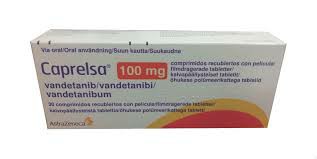
Vandetanib is a multi-target tyrosine kinase inhibitor that is widely used to treat unresectable or metastatic medullary thyroid carcinoma (MTC; thyroid cancer). Although this drug has shown significant anti-tumor activity in clinical practice, its mechanism of action is complex and its accompanying toxic and side effects are also relatively diverse. In order to ensure the safety of treatment, patients must strictly follow the doctor's instructions and pay attention to the potential risks and monitoring points of the drug while using vandetanib.
1. Cardiotoxicity is one of the most vigilant adverse reactions during vandetanib treatment. The drug prolongs the QT interval in a concentration-dependent manner, thereby increasing the risk of torsade de pointes and sudden death. The electrocardiogram needs to be evaluated before treatment. If the QTcF interval exceeds 450 milliseconds, treatment should be avoided. Electrolytes and electrocardiograms should be reviewed regularly during treatment, especially in patients with arrhythmias, heart failure, or electrolyte disorders. More caution is needed. At the same time, caution should be used when vandetanib is combined with other drugs that may prolong QT (such as certain antibiotics or antidepressants) to prevent the risk of increased interaction.
2. Skin reactions are one of the more common side effects, including rash, desquamation, photosensitivity reactions, and in severe cases,Stevens-Johnson syndrome or toxic epidermal necrolysis. These situations often occur in the early stages of medication. If a large area of u200bu200bu200bu200brash or skin damage occurs, the medication should be stopped immediately and systemic treatment should be carried out. Patients should avoid intense sun exposure while taking the drug and continue to use sun protection measures for several months after stopping the drug.
3. In terms of respiratory system damage, interstitial lung disease (ILD) is rare but can be fatal. If the patient develops persistent cough, dyspnea or fever, the possibility of ILD should be ruled out promptly, and vandetanib needs to be permanently discontinued after diagnosis. Likewise, the risk of cerebrovascular events and bleeding cannot be ignored. The study found that the incidence of ischemic stroke and bleeding events was slightly higher in the vandetanib treatment group. If patients experience symptoms such as dizziness, blurred vision, and hemoptysis, they should seek medical attention immediately and suspend treatment.
4. Heart failure and hypertension are also common complications. Vandetanib can cause sustained increases in blood pressure and even induce hypertensive crisis. Doctors usually monitor blood pressure frequently at the beginning of treatment and adjust the dose or combine antihypertensive drugs according to the situation. For patients with previous cardiac insufficiency, changes in weight, breathing and lower limb edema should be closely monitored during treatment, and medication should be suspended if necessary.
5.In terms of the digestive system, diarrhea is one of the most common adverse reactions. Most are mild to moderate, but severe cases can lead to electrolyte imbalance, dehydration and QT prolongation. Patients should replenish fluids in time and monitor ECG changes. If symptoms are severe, the drug needs to be temporarily discontinued, and treatment at a lower dose can be continued after recovery.
6. Vandetanib may also cause hypothyroidism, which is particularly common in patients who have undergone thyroidectomy or radiation therapy. Clinically, it is recommended to take the drug at the beginning of medication.TSH levels are measured from 2 to 4 weeks, 8 to 12 weeks, and every three months thereafter, and the thyroid hormone replacement dose is adjusted based on the results to maintain metabolic balance.
7. Nervous system reversible posterior leukoencephalopathy syndrome (RPLS), although rare, may present with epilepsy, headache, visual impairment, or confusion. If RPLS is suspected, brain MRI should be performed immediately to confirm and the medication should be discontinued. It is usually reversible after discontinuation of the medication. Renal function damage also requires attention, especially when combined with hypertension or dehydration. Serum creatinine should be monitored regularly, and the drug should be discontinued in severe cases.
8. Vandertanib may also lead to impaired wound healing by inhibiting theVEGF pathway. Therefore, when patients plan to undergo surgery, they should stop taking the medicine at least one month in advance, and then resume taking the medicine after ensuring that the wound is completely healed.
9. For women of childbearing age, vandetanib has clear embryo-fetal toxicity. Animal experiments show that it can cause embryonic death and fetal malformation. Therefore, it is recommended that patients take reliable contraceptive measures to avoid pregnancy during medication and for at least 4 months after stopping medication. At the same time, lactating women should suspend breastfeeding to prevent the drug from causing adverse effects on the baby through milk.
In general, vandetanib is a targeted drug with definite efficacy but extremely high safety management requirements. While it improves the survival rate of advanced medullary thyroid cancer, it also brings potential risks to multiple systems. Patients should maintain close communication with their doctors during medication and follow individualized dosage adjustments and regular monitoring plans. Through scientific management and timely intervention, most adverse reactions can be controlled, and the benefits of treatment will far outweigh the risks.
Reference materials:https://www.drugs.com/caprelsa.html
[ 免责声明 ] 本页面内容来自公开渠道(如FDA官网、Drugs官网、原研药厂官网等),仅供持有医疗专业资质的人员用于医学药学研究参考,不构成任何治疗建议或药品推荐。所涉药品可能未在中国大陆获批上市,不适用于中国境内销售和使用。如需治疗,请咨询正规医疗机构。本站不提供药品销售或代购服务。


