
.jpeg)
Risks of long-term use of lansoprazole/daclopron and recommendations for discontinuation
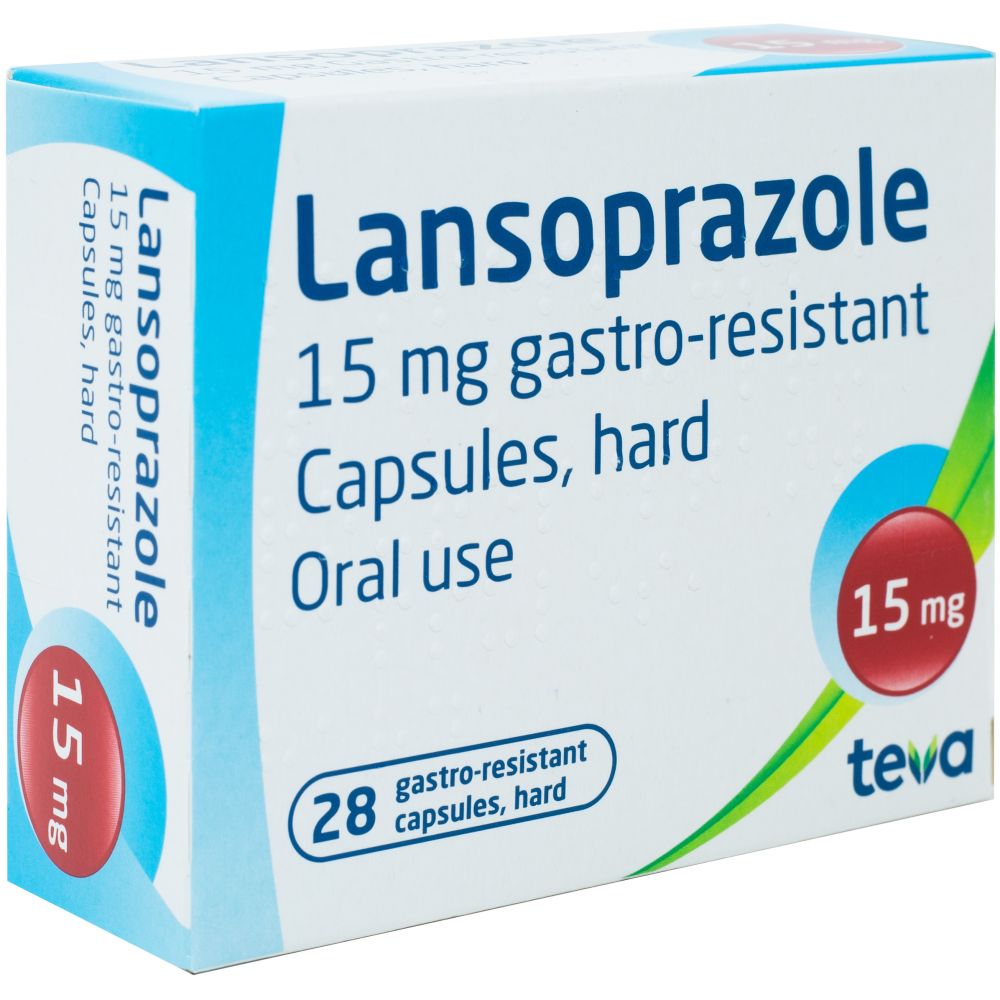
Lansoprazole/Daclopron(Lansoprazole) is a commonly used proton pump inhibitor (PPI), which is widely used to treat gastric acid-related diseases, such as gastroesophageal reflux disease, peptic ulcer, gastritis and Helicobacter pylori infection. This drug significantly reduces gastric acid secretion by inhibiting H⁺/K⁺-ATPase activity in gastric parietal cells, thereby relieving gastric burning sensation and acid reflux symptoms. However, many clinical patients rely on lansoprazole for long-term treatment but ignore the potential risks of its long-term use. Therefore, it is very important to understand the correct discontinuation strategy and risk prevention and control.
From a pharmacological perspective, long-term use of lansoprazole will cause excessive suppression of gastric acid, causing the pH in the stomach to continue to rise and destroying the normal balance of gastrointestinal flora. Gastric acid is a natural "barrier" that can inhibit bacterial reproduction and aid nutrient absorption. When gastric acid is suppressed for a long time, it may increase the risk of small intestinal bacterial overgrowth (SIBO) and intestinal infection. In addition, insufficient gastric acid will also affect the absorption of vitamin B12, magnesium, calcium, iron and other nutrients. Long-term medication may cause complications such as anemia, osteoporosis, muscle spasm or irregular heartbeat.
Research points out thatThe long-term use of PPI drugs may be associated with an increased risk of chronic kidney disease, dementia and metabolic syndrome, especially among elderly patients who need to be more cautious. Some patients will also experience "rebound gastric acid secretion" after stopping the drug, that is, a significant increase in gastric acid in a short period of time, causing the recurrence of symptoms such as heartburn and acid reflux. This phenomenon can easily cause patients to mistakenly believe that the disease has "recurred" and thus take medication again, forming a cycle of long-term dependence. Therefore, scientific discontinuation of medication is the key to preventing rebound.
When discontinuing medication, it is recommended to gradually reduce the dose or adjust to taking it on alternate days, and then transition to an on-demand medication mode. For patients with long-term dependence, comprehensive management of diet and lifestyle should be carried out, such as reducing the intake of spicy and fried foods, quitting smoking and limiting alcohol, avoiding late-night snacks, and maintaining regular meals and sleep to reduce gastric acid irritation.
Reference materials:https://www.drugs.com/lansoprazole.html
[ 免责声明 ] 本页面内容来自公开渠道(如FDA官网、Drugs官网、原研药厂官网等),仅供持有医疗专业资质的人员用于医学药学研究参考,不构成任何治疗建议或药品推荐。所涉药品可能未在中国大陆获批上市,不适用于中国境内销售和使用。如需治疗,请咨询正规医疗机构。本站不提供药品销售或代购服务。


