
.jpeg)
Will recurrence occur after treatment with Ocriplasmin?
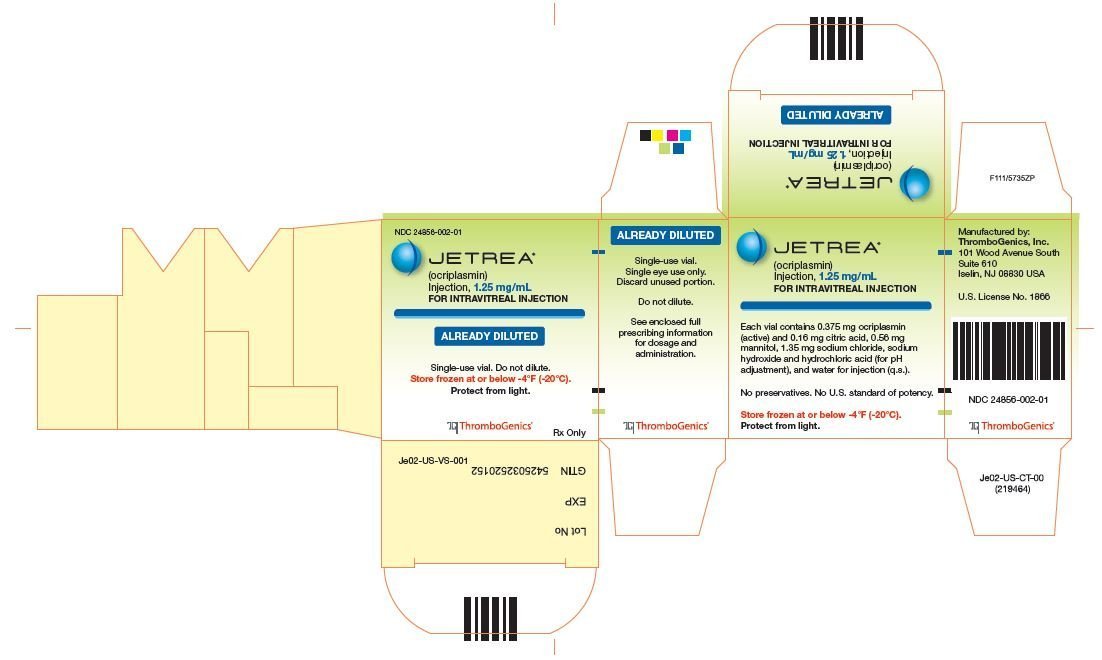
Ocriplasmin (Ocriplasmin) is an ophthalmic drug approved by the US FDA for the treatment of symptomatic vitreomacular adhesion (VMT). This disease is usually related to aging. During the natural degeneration process, the adhesion between the vitreous body and the macular area cannot be separated normally, causing the retinal structure to be stretched, resulting in visual distortion, central vision loss, and even macular holes. Oak plasmin hydrolyzes the protein connection between the vitreous body and the retina, promotes the natural detachment of the vitreous body, and reduces the impact of traction on the macula, thereby improving vision and delaying the progression of the disease.
However, some patients may still experience recurrence or residual traction after receiving Oakplasmin injection. The main reason is that the vitreous structure differs greatly between individuals, especially in patients with incomplete vitreous degeneration or strong macular adhesion, the drug effect may not be enough to achieve complete separation. In addition, if there are microscopic tears in the retina or fragile macular tissue during the initial treatment, the recovery after treatment may be incomplete, and there is a chance of retraction or fluctuations in visual function over time.
Multiple long-term observations have shown that structural recovery after Oakplasmin treatment is usually complete within the first month, and if complete vitreous detachment is not achieved, there is an increased risk of spontaneous recurrence or persistence of traction. Some patients may still experience visual distortion or macular wrinkles several months later. This is not a recurrence in the traditional sense, but more like a continuation of incomplete resolution of the disease. It is worth noting that Oak Plasmin is a one-time intravitreal injection drug, and there is currently no recommended regimen for repeated injections, as repeated use at high concentrations may increase risks such as lens subluxation and retinal tears.
Clinically, when doctors decide whether to use Oak plasmin, they usually evaluate the attachment range and structural characteristics of the vitreous body and macula throughOCT imaging. If the lesion is mild and there is no obvious hole, the success rate of medical treatment is higher; while if the traction area is large or combined with a macular hole, surgical intervention is more likely.
Reference materials:https://www.drugs.com/cdi/ocriplasmin.html
[ 免责声明 ] 本页面内容来自公开渠道(如FDA官网、Drugs官网、原研药厂官网等),仅供持有医疗专业资质的人员用于医学药学研究参考,不构成任何治疗建议或药品推荐。所涉药品可能未在中国大陆获批上市,不适用于中国境内销售和使用。如需治疗,请咨询正规医疗机构。本站不提供药品销售或代购服务。


