
.jpeg)
Analysis of the usage and dosage standards and medication guide of Lynparza
Olaparib (Olaparib) is an oral poly(ADP-ribose) polymerase (PARP) inhibitors, mainly used to treat various malignant tumors such as ovarian cancer, breast cancer, pancreatic cancer and prostate cancer with BRCA mutations. Its core mechanism is to inhibit the activity of PARP repair enzymes, making tumor cells unable to repair DNA single-strand breaks, thereby inducing tumor cell apoptosis. In order to maximize the efficacy and reduce adverse reactions, reasonable and standardized usage and dosage are very important. The recommended dose of olaparib tablets is usually 300 mg (2tablets150 mg), taken orally once daily in the morning and evening, for a total dose of 600 mg/day. The medicine should be swallowed whole and should not be crushed or chewed. It can be taken before or after meals. Eating will not significantly affect the absorption of the medicine. During treatment, medication needs to be continued until disease progression or intolerable toxicity occurs.
In clinical practice, individualized dose adjustment is an important strategy to improve safety. For patients who experience adverse reactions, such as nausea, vomiting, anemia, neutropenia, etc. that last grade 3 or above, the dosage needs to be reduced according to the severity of the adverse reactions. The first dose reduction is usually to 250 mg twice a day; if the adverse reactions are still intolerable, it can be further reduced to 200 mg twice a day. For patients with impaired liver and renal function, especially those with moderate renal impairment (creatinine clearance 31–50 mL/min), it is recommended that the starting dose be adjusted to 200 mg twice a day; patients with severe renal insufficiency should use it with caution after physician evaluation.
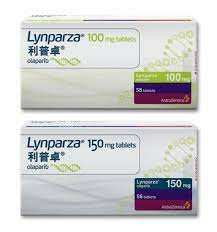
In addition, Lynparza’s medication guidelines emphasize the need to regularly monitor blood routine and liver and kidney function during treatment, once a month or adjust the frequency of monitoring appropriately according to the condition, so as to detect drug-related adverse events in a timely manner. If the patient develops obvious symptoms of anemia such as fatigue, shortness of breath, pale skin, etc., he or she should review the blood routine as soon as possible. If necessary, the medication should be suspended and supportive treatment should be provided. When used in combination with other drugs, avoid using it with strong CYP3A inhibitors (such as ketoconazole) or inducers (such as rifampicin) to prevent drug metabolism from being affected. If necessary, the dose needs to be adjusted or an alternative drug used.
Finally, the treatment course of olaparib is usually long, especially in maintenance treatment, which requires continuous medication for several months or even longer. Therefore, patients should strictly follow the doctor's instructions and take the medication regularly, and are not allowed to stop the medication or increase or decrease the dose without authorization. When you miss a dose, if it is more than 2 hours before the next dose, you can take it immediately; if it is close to the next dose, you should skip the missed dose and avoid taking it again. Overall, standardized medication regimens and scientific individualized dosage adjustments are the key to ensuring the efficacy of Lynparza and reducing the risk of adverse reactions.
Reference link:https://www.drugs.com
[ 免责声明 ] 本页面内容来自公开渠道(如FDA官网、Drugs官网、原研药厂官网等),仅供持有医疗专业资质的人员用于医学药学研究参考,不构成任何治疗建议或药品推荐。所涉药品可能未在中国大陆获批上市,不适用于中国境内销售和使用。如需治疗,请咨询正规医疗机构。本站不提供药品销售或代购服务。


