
.jpeg)
What is the basic introduction of Bedaquiline Fumarate/Snare Tablets?
Bedaquiline (Bedaquiline), as a breakthrough diarylquinoline antimycobacterial drug, is an important innovation in the field of anti-drug-resistant tuberculosis in recent years. Developed by Janssen Therapeutics, it is the first new oral drug approved to treat multidrug-resistant tuberculosis (MDR-TB) since the 1960s. The launch of bedaquiline is considered a milestone in the history of tuberculosis treatment, providing new hope for patients who cannot be cured by traditional regimens.
From a pharmacological mechanism, bedaquiline effectively kills bacteria by inhibiting the activity of MycobacteriumATP synthase and blocking its energy production. This unique target effect is different from traditional anti-tuberculosis drugs such as isoniazid and rifampin, so it still maintains high sensitivity to multiple drug-resistant strains. For this reason, bedaquiline has been included in the treatment regimen for multidrug-resistant tuberculosis recommended by the World Health Organization (WHO) and has become one of the key drugs in the global tuberculosis prevention and control system.
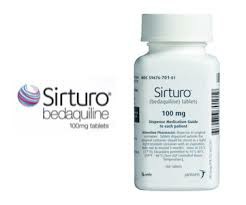
In terms of indications, bedaquiline is suitable for adults and children over 5 years old and weighing at least 15 kilograms, for the treatment of multidrug-resistant tuberculosis (MDR-TB). The premise of its use is that it can only be used as part of combination therapy when no other effective treatment options are available. This limitation stems from the potential safety risks of the drug and the possibility of the development of drug resistance, so it must be used under the guidance of an experienced TB specialist. Of note, bedaquiline is not indicated for latent, extrapulmonary, or drug-sensitive tuberculosis, nor for non-tuberculous mycobacterial infections. For patients with multidrug-resistant pulmonary tuberculosis co-infected with HIV, although some studies have shown acceptable efficacy, due to limited data, it still needs to be used with caution.
In terms of usage and dosage, the dosage regimen of bedaquiline is divided into two phases. In the first two weeks of treatment, adult patients should take 400 mg orally daily with food to ensure the absorption rate; from the third week to the 24th week, it is changed to 200 mg three times a week, with an interval of at least 48 hours. The dosage of pediatric patients needs to be adjusted according to body weight. Patients weighing 15 to 30 kg should take 200 mg daily for the first two weeks, and then change to 100 mg three times a week. Children weighing ≥30 kg can follow the adult dosage. This phased medication design aims to quickly establish effective blood drug concentrations in the early stages while reducing drug burden and toxicity risks during long-term treatment.
Clinically, bedaquiline is usually used in combination with other anti-tuberculosis drugs, such as linezolid, levofloxacin, pyrazinamide, etc., to improve efficacy and prevent the emergence of drug-resistant strains. The course of combined therapy is generally6 months or longer, depending on the patient's condition, drug resistance spectrum and efficacy monitoring results. While taking the drug, doctors will regularly monitor the patient's liver function and electrocardiogram, because bedaquiline may prolong the QT interval or cause elevated liver enzymes. Through reasonable monitoring and dose adjustment, the risk of adverse reactions can be reduced to the greatest extent.
It is worth noting that, as an important drug in the global treatment of drug-resistant tuberculosis, bedaquiline has been included in multinational public health projects andWHO tuberculosis treatment guidelines. According to overseas real-world data, its combination regimen with new-generation drugs such as Pretomanid and linezolid (the "BPaL regimen") shows good promise in shortening the treatment course and improving the cure rate, which means that in the future, tuberculosis treatment may shift from long-term high burden to a shorter and more precise treatment course model.
Reference materials:https://en.wikipedia.org/wiki/Bedaquiline
[ 免责声明 ] 本页面内容来自公开渠道(如FDA官网、Drugs官网、原研药厂官网等),仅供持有医疗专业资质的人员用于医学药学研究参考,不构成任何治疗建议或药品推荐。所涉药品可能未在中国大陆获批上市,不适用于中国境内销售和使用。如需治疗,请咨询正规医疗机构。本站不提供药品销售或代购服务。


