
.jpeg)
How long does a course of Sunitinib (Sutent) take and analysis of treatment schedule
Sunitinib (Sunitinib) is an oral multi-target tyrosine kinase inhibitor mainly used to treat advanced renal cell carcinoma (RCCRCC span>), gastrointestinal stromal tumors (GIST), and certain pancreatic neuroendocrine tumors (pNET). Its mechanism of action is to inhibit tumor angiogenesis and cell proliferation by inhibiting various receptor kinases such as VEGFR and PDGFR, thereby inhibiting tumor growth. Due to the targeting properties and individual differences of the drug, the treatment schedule of sunitinib needs to be individually adjusted based on the patient's tolerance and treatment response.
A standard course of treatment usually consists of 4 weeks of taking medication +2 weeks of resting medication, that is, 6 weeks is a cycle. In the first 4 weeks, the patient took sunitinib every day according to the doctor's prescription to ensure that the blood concentration reached the therapeutic level and exerted its effect on inhibiting tumor growth and angiogenesis. The subsequent 2 week drug withdrawal period is to reduce the cumulative toxicity of the drug, allow the patient's blood image and organ function to recover, and reduce adverse reactions such as thrombocytopenia, fatigue, or hypertension.
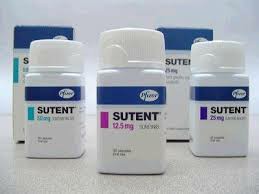
During multiple courses of treatment, the doctor will decide whether to continue the current dose, adjust the dose, or extend/ shorten the treatment interval based on the patient's clinical response, imaging evaluation, and hematology and liver and kidney function monitoring results. For example, if a patient experiences serious adverse reactions, a longer withdrawal period or a lower daily dose may be required to ensure safety and tolerability.
In addition, the treatment schedule will also be adjusted for patients with different disease types or disease stages. Some GIST patients may receive continuous cyclic therapy, while patients with advanced RCC may receive long-term multi-cycle maintenance therapy. In short, the sunitinib treatment course emphasizes individualized management, regular evaluation of efficacy and monitoring of adverse reactions to maximize efficacy and ensure safety.
Reference materials:https://www.drugs.com/
[ 免责声明 ] 本页面内容来自公开渠道(如FDA官网、Drugs官网、原研药厂官网等),仅供持有医疗专业资质的人员用于医学药学研究参考,不构成任何治疗建议或药品推荐。所涉药品可能未在中国大陆获批上市,不适用于中国境内销售和使用。如需治疗,请咨询正规医疗机构。本站不提供药品销售或代购服务。


