
.jpeg)
Tips on the potential hazards and side effects of long-term use of Epclusa
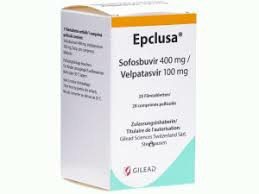
Epclusa (Epclusa, generic name Epclusa) is a direct antiviral drug (DAA), composed of sofosbuvir (Sofosbuvir ) combined with velpatasvir (Velpatasvir) is used to treat chronic hepatitis C virus (HCV) infection. It is suitable for patients with various genotypes, including patients with cirrhosis or a history of liver transplantation. Its mechanism of action is to block virus replication by inhibiting the virus' RNA-dependent RNA polymerase and NS5A protein, thereby achieving a high cure rate.
The short-term treatment course of Jisandai is usually 12 weeks, with significant efficacy and good tolerance by patients. However, with the accumulation of clinical use experience, studies have found that long-term or repeated use may bring some potential harm and side effects, which require the attention of patients and doctors.
2. Common side effects and tolerance
In clinical trials of Jisandai, common side effects include fatigue, headache, insomnia, nausea, diarrhea, etc. Most of them are mild to moderate and can usually be relieved without special treatment. However, with long-term or repeated use, side effects may accumulate or worsen:
1.Abnormal liver function
Although Jisandai is mainly used to protect the liver, some patients may experience increased serum aminotransferases, increased bilirubin, or mild liver function fluctuations after long-term use, especially those with underlying liver disease or cirrhosis. Abnormal liver function may affect drug metabolism and increase the risk of drug accumulation.
2. Effects on kidney function and electrolytes
Mild increases in serum creatinine or electrolyte abnormalities may occasionally occur in long-term users, especially in patients with basic renal insufficiency. Although the overall incidence is low, regular monitoring of renal function and blood pressure is required to prevent potential nephrotoxicity.
3.Hematological changes
A small number of patients may experience mild anemia, decreased white blood cells or platelets, especially when used long-term or in combination with other drugs. Regular blood routine monitoring is required to detect abnormalities promptly and adjust medication.
3. Potential risks of long-term medication
1.Risk of viral resistance
Although the third generation drug resistance is low, long-term or irregular use of drugs may lead to HCV NS5AHCV NS5Aor NS5B gene mutation, which reduces the efficacy of the drug again. Patients need to strictly follow the course of treatment and complete the entire course of treatment, and avoid stopping medication or reducing dosage at will.
2.Risk of drug interactions
Gisanda is eliminated through liver metabolism (mainly via the CYP pathway). If it is taken with anti-epileptic drugs, antifungal drugs or proton pump inhibitors during long-term medication, it may affect blood drug concentration, reduce efficacy or increase the risk of toxicity. Patients are required to truthfully report all medications they are taking to their doctors.
3.Psychological and life impact
During long-term treatment, some patients may develop symptoms of anxiety, sleep disorders, or mild depression. Although this is less directly related to medications, the psychological burden of long-term chronic disease treatment cannot be ignored.
4. Side effects response and monitoring suggestions
1.Regular review
Patients should regularly review liver function, kidney function, blood routine and HCV RNA levels during medication and after the course of treatment to ensure that the efficacy is stable and the toxic and side effects are controllable.
2.Symptom management
Mild fatigue, headache or digestive discomfort can be relieved through rest, dietary adjustment and symptomatic treatment; if symptoms persist or worsen, you should seek medical treatment in time.
3. Medication adjustment
When liver and kidney function is abnormal or hematological indicators are abnormal, doctors may adjust the medication regimen or discontinue treatment according to the patient's condition to ensure safety.
4.Patient education
It is emphasized to complete the full course of treatment as directed by the doctor and avoid missing doses or increasing or decreasing the dose on your own; reminding attention to the interaction between the drug and other drugs; maintaining a healthy lifestyle to assist the efficacy of the drug and reduce the risk of side effects.
Epclusa (Epclusa/Epclusa) has good long-term drug safety overall, but there are still risks of liver and kidney function fluctuations, hematological abnormalities, potential drug resistance and drug interactions. Through standardized medication, regular monitoring, and reasonable management of adverse reactions, most patients can complete the course of treatment safely and achieve virological cure. At the same time, patients should maintain good living habits and mental state to maximize drug efficacy and reduce potential harm.
Reference materials:https://www.drugs.com/
[ 免责声明 ] 本页面内容来自公开渠道(如FDA官网、Drugs官网、原研药厂官网等),仅供持有医疗专业资质的人员用于医学药学研究参考,不构成任何治疗建议或药品推荐。所涉药品可能未在中国大陆获批上市,不适用于中国境内销售和使用。如需治疗,请咨询正规医疗机构。本站不提供药品销售或代购服务。


