
.jpeg)
Possible adverse reactions of ruxolitinib cream (Opzelura) and how to deal with them
1. Overview of Drugs
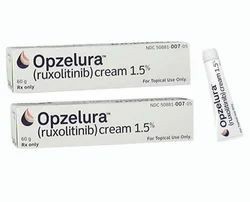
Ruxolitinib cream (Opzelura) is a topical JAK inhibitor, mainly used to treat skin diseases such as mild to moderate atopic dermatitis and vitiligo. Its core mechanism of action is to reduce pro-inflammatory cytokines (such as IL-2, IL-6, IL-13, IFN-γ) mediated inflammatory response, thereby reducing skin damage, improving pigment recovery or rash symptoms. As a topical preparation, ruxolitinib cream can act locally on the skin and reduce the risk of side effects caused by systemic drugs, but local and systemic adverse reactions may still occur.
2. Common local adverse reactions
1.Skin irritation and local reactions
While using ruxolitinib cream, some patients may experience itching, burning, mild erythema, or stinging. These reactions usually appear in the early stages of use, are mostly mild to moderate, and gradually lessen as the skin adapts. Response methods include:
Reduce the amount of application or shorten the frequency of use, and resume regular dosage after symptoms subside;
Avoid using other irritating skin care products or topical drugs at the same time to prevent aggravation of local reactions;
If severe redness, swelling or pain occurs, the medication should be temporarily discontinued and consult a dermatologist.
2. Partial dryness or scaling
Some patients may experience dryness, slight scaling or tightness of the skin during long-term use. This is usually related to a reduction in sebum production due to the cream base or the effects of the medication. Treatment methods include:
Use mild moisturizer to aid care;
Avoid bathing in hot water or rubbing the affected area frequently;
Keep your skin clean and dry to reduce the risk of secondary infection.
3. Systemic or rare adverse reactions
Although ruxolitinib cream is applied topically, it may be absorbed through the skin and into the bloodstream, especially if it is applied to a large area or for a long time. Potential systemic adverse reactions include:
1.Hematological abnormalities: such as mild leukopenia or thrombocytopenia, which are more common in large-scale use or in combination with otherJAKPatients taking combined use of inhibitors;
2.Increased risk of infection: local immune suppression may lead to skin infection (such as bacterial or fungal infection);
3.Systemic inflammatory reaction or allergy: A very small number of patients may experience fever, swollen lymph nodes or allergic reaction.
4.The processing methods include:
Regularly monitor blood routine and infection symptoms;
Seek medical attention promptly if persistent fever, redness, swelling or purulent discharge occurs;
If necessary, suspend the use of the cream and use anti-infective or symptomatic treatment under the guidance of a doctor.
4. Safety management and monitoring of long-term use
1.Medication site management
For long-term use, avoid applying to large areas on broken, severe eczema, infections or open wounds to reduce systemic absorption of the drug and the risk of infection. For sensitive skin areas such as the face and neck, the dosage and frequency of medication should be controlled.
2.Monitoring and follow-up
Regularly observe skin color, erythema, itching and scaling to evaluate efficacy and tolerability;
For patients taking long-term and large-scale medication, hematology and liver function monitoring may be considered to prevent potential systemic adverse reactions;
If severe or persistent discomfort occurs, you should stop taking the medicine immediately and consult a doctor. If necessary, adjust the dose or discontinue medication.
3.Patient education
Instruct patients to avoid increasing dosage or frequency on their own;
Educate patients to recognize common local reactions and signs of infection. If redness, swelling, exudation or pustules appear, they should be reported promptly;
Remind patients to keep local skin clean and moderately moisturized to reduce external stimulation.
Ruxolitinib cream has obvious efficacy in the treatment of vitiligo and atopic dermatitis, but it may still cause local irritation, dryness, desquamation and a few systemic adverse reactions. Most adverse reactions can be effectively managed through scientific medication use, local care, regular monitoring and patient education. Reasonable management and standardized use can not only maximize the efficacy, but also reduce potential risks, allowing patients to continue to achieve skin symptom improvement and pigment recovery effects under the premise of safety.
Reference materials:https://www.drugs.com/
[ 免责声明 ] 本页面内容来自公开渠道(如FDA官网、Drugs官网、原研药厂官网等),仅供持有医疗专业资质的人员用于医学药学研究参考,不构成任何治疗建议或药品推荐。所涉药品可能未在中国大陆获批上市,不适用于中国境内销售和使用。如需治疗,请咨询正规医疗机构。本站不提供药品销售或代购服务。


