
.jpeg)
Comparison of tucatinib/tucatinib and pyrotinib
Tucatinib/Tucatinib (Tucatinib) and pyrotinib are both HER2-targeted small molecule tyrosine kinase inhibitors, used to treat HER2-positive breast cancer , but they are significantly different in terms of molecular mechanism of action, clinical manifestations and safety. Tucatinib is a highly selective HER2 inhibitor that barely inhibits EGFR, thereby reducing common side effects such as rash and diarrhea, and is well tolerated by patients. Pyrotinib is an irreversible pan-HER inhibitor that acts on three receptors, HER1, HER2, and HER4, and has a wider inhibitory range. However, because it inhibits EGFR at the same time, significant gastrointestinal reactions often occur.
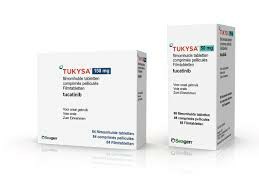
From a clinical positioning perspective, pyrotinib was developed by a Chinese pharmaceutical company and was approved for marketing in China in 2018. It is used for the treatment of HER2-positive advanced or recurrent breast cancer and has been included in medical insurance. Its price is relatively close to the people and it has wide clinical application. Tucatinib was developed by the American company Seagen and was approved by the FDA in 2020 for use in HER2-positive metastatic breast cancer, especially for patients with brain metastases. Because of its ability to penetrate the blood-brain barrier and its strong ability to control central nervous system lesions, it is recommended as an important treatment option by international guidelines. The drug is currently not available in China.
From an efficacy perspective, pyrotinib performs well in controlling systemic lesions and is suitable as a first- and second-line treatment option for domestic patients; tucatinib has more advantages in delaying the progression of brain metastases and improving overall survival rate, representing the progress of HER2-targeted therapy in the direction of precision. In terms of safety, the main adverse reactions of pyrotinib are diarrhea and hand-foot syndrome, while the side effects of tucatinib are relatively mild, mostly mild fatigue or elevated liver enzymes.
Generally speaking, pyrotinib is known for its high efficiency and economy, and is suitable for widespread use in China; tucatinib is highly recognized internationally for its accuracy and safety advantages.
Reference materials:https://www.tukysa.com/
[ 免责声明 ] 本页面内容来自公开渠道(如FDA官网、Drugs官网、原研药厂官网等),仅供持有医疗专业资质的人员用于医学药学研究参考,不构成任何治疗建议或药品推荐。所涉药品可能未在中国大陆获批上市,不适用于中国境内销售和使用。如需治疗,请咨询正规医疗机构。本站不提供药品销售或代购服务。


