
.jpeg)
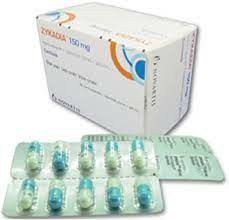
Analysis of detailed indications and applicable patient groups of ceritinib/ceritinib (Zanda)
Ceritinib/Ceritinib (Ceritinib) is an oral second-generation ALK (anaplastic Lymphoma kinase) inhibitor, mainly used to treat patients with non-small cell lung cancer (NSCLC) whose ALK gene rearrangement is positive. As an ALK inhibitor developed after crizotinib, ceritinib has important clinical value in overcoming drug resistance and improving metastasis control in the central nervous system. The following will analyze its indications, applicable groups, clinical efficacy, and individualized treatment recommendations from four aspects.
1. Main indications of ceritinib
The core indication of ceritinib is the treatment of ALK patients with advanced or metastatic non-small cell lung cancer. Specifically include:
1.First-line treatment: ALK fusion gene positive, without any ALK inhibitor treatment Among patients with advanced NSCLC, ceritinib can be used as a first-line drug and can significantly extend progression-free survival (PFS) compared with traditional chemotherapy.
2. Second-line and above treatment: Ceritinib can be used as a subsequent treatment option for patients who have developed drug resistance or disease progression after previously receiving crizotinib treatment. Studies have shown that ceritinib can effectively overcome some drug-resistant mutations and improve the control of central nervous system metastases.
3.Patients with brain metastases: Ceritinib can penetrate the blood-brain barrier well, and has also shown significant efficacy in clinical trials for ALK-positive patients with brain metastases, making it an important choice for patients with brain metastases who are resistant to crizotinib.
2. Analysis of applicable patient groups
The applicable population of ceritinib mainly covers the following categories:
1.ALKgene rearrangement-positive patients: This is a prerequisite for the use of ceritinib, and the patient must have it confirmed through molecular testing (such as FISH, NGS or IHC , etc.)ALK fusion gene.
2.Advanced or metastatic NSCLCPatients: Especially patients with stage IIIB or stage IV, if surgery and radiotherapy are no longer suitable, ceritinib is one of the systemic treatment options.
3.Patients who are resistant or intolerant to crizotinib: Many patients will experience reduced efficacy due to resistance gene mutations after using crizotinib, and ceritinib still has significant efficacy in this population.
4.Patients with brain metastasis: Since brain metastasis occurs more frequently in ALK-positive patients (approximately 30%-40%), and ceritinib has better penetration into the central nervous system, it is especially suitable for use in these patients.
5.Young, non-smoking female patients: From the epidemiological characteristics, ALK-positive lung cancer is more common in young, non-smoking or light smoking female patients, and this group is often the main beneficiary group of ceritinib.
3. Analysis of clinical efficacy and advantages
In multiple clinical trials (such as the ASCEND series of studies), ceritinib has shown significant efficacy:
Prolonged PFS in first-line treatment: Compared with chemotherapy, the median progression-free survival of first-line treatment with ceritinib is significantly longer, even exceeding 20 months in some patients.
Second-line treatment is highly effective: among patients who are resistant to crizotinib, the objective response rate (ORR) of ceritinib can still reach 40%-60%, demonstrating its ability to inhibit drug-resistant mutations.
Central nervous system control: The response rate and disease control rate of ceritinib in patients with brain metastases are significantly better than those of the first generationALK inhibitors. This advantage is crucial to improving patients' quality of life and prolonging survival.
Long-term survival benefit: Some patients treated with ceritinib can achieve sustained remission during the course of treatment, and even have advanced NSCLC gradually transform into a "chronic disease", which is of great significance in the era of targeted therapy.
4. Individualized medication and precautions
Although the efficacy of ceritinib is significant, individual differences and drug management still need to be paid attention to:
Dosage and administration: Ceritinib is recommended to be taken orally once daily, and it is recommended to take it with meals to reduce gastrointestinal adverse reactions. Common starting doses are 450mg or 750mg, which need to be adjusted according to the patient's tolerance.
Common adverse reactions: including gastrointestinal reactions (such as diarrhea, nausea, vomiting), abnormal liver function, fatigue, loss of appetite, etc. In clinical practice, liver function and hematological indicators need to be monitored regularly, and whether to reduce the dose or discontinue the drug is decided based on the severity of adverse reactions.
Combined or sequential treatment: In the treatment of ALK positive lung cancer, ceritinib can be used as a follow-up option after crizotinib. In the future, it may also form a sequential medication model with other new generation ALK inhibitors (such as lorlatinib).
Patient compliance: Since treatment often requires long-term or even lifelong use, patients need to take medication regularly under the guidance of a doctor and avoid stopping medication at will or missing doses.
Ceritinib/Ceritinib (Ceritinib) as the second generationALK inhibitors are mainly concentrated in ALK -positive non-small cell lung cancer, especially those patients who are resistant to crizotinib and accompanied by brain metastasis. In clinical application, ceritinib provides patients with a new treatment option by prolonging progression-free survival, improving central nervous system control and improving overall survival benefit. Although certain adverse reactions may occur during the medication, most patients can tolerate and benefit from it through reasonable dose management and regular monitoring. With the popularization of molecular diagnostic technology, the precise application of ceritinib will be further expanded and it will continue to play an important role in the future targeted therapy system.
Reference materials:https://www.drugs.com/
[ 免责声明 ] 本页面内容来自公开渠道(如FDA官网、Drugs官网、原研药厂官网等),仅供持有医疗专业资质的人员用于医学药学研究参考,不构成任何治疗建议或药品推荐。所涉药品可能未在中国大陆获批上市,不适用于中国境内销售和使用。如需治疗,请咨询正规医疗机构。本站不提供药品销售或代购服务。


