
.jpeg)
Analysis on whether tazetostat (Daveco) needs to be taken continuously for a long time
Tazemetostat (Tazemetostat) is an oral, selective EZH2 inhibitor, mainly used to treat relapsed or refractory follicular lymphoma, as well as certain tumors such as epithelioid sarcoma. As a class of drugs targeting epigenetic regulation, it prevents the growth and spread of tumor cells by inhibiting the abnormal activity of EZH2. Since such diseases are often chronic or difficult to cure malignant tumors, tazerestat requires long-term or continuous medication in most cases to maintain the therapeutic effect.
From the perspective of clinical research data and treatment practice, tazerestat usually does not have a strictly prescribed fixed course of treatment, but adopts the principle of "continuous treatment until disease progression or intolerable side effects". This means that if the patient's disease is under stable control during medication and the adverse reactions are tolerable, doctors will often recommend continuing to take the medication to prolong progression-free survival (PFS) and overall survival (OS) as much as possible. Therefore, unlike some short courses of chemotherapy, the treatment characteristics of tazerestat are closer to long-term maintenance treatment.
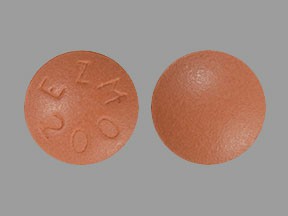
However, not all patients require indefinite use. For some patients whose disease is well controlled and whose tumors have significantly shrunk, doctors may decide whether to appropriately reduce the dose or adjust the medication regimen based on imaging and hematology assessments and the patient's tolerance. If serious adverse reactions occur during treatment, such as bone marrow suppression, liver function damage, etc., it may be necessary to temporarily discontinue the drug or terminate the treatment. It can be seen that whether to use tazetostat for a long time needs to be dynamically adjusted based on the patient's individual situation.
In general, tazerestat is mostly used for the long-term management of moderately advanced or recurrent tumors and is a maintenance treatment drug. Patients need to undergo regular reexaminations during the medication period, monitor blood images, liver and kidney function and tumor changes, and communicate with the doctor in a timely manner about medication reactions. As long as it is tolerated and the disease is under control, long-term continuous use can help prolong the stable period of the disease and improve the quality of life. However, long-term medication still requires individualized assessment, rather than a "one-size-fits-all" fixed course of treatment.
Reference materials:https://www.drugs.com/
[ 免责声明 ] 本页面内容来自公开渠道(如FDA官网、Drugs官网、原研药厂官网等),仅供持有医疗专业资质的人员用于医学药学研究参考,不构成任何治疗建议或药品推荐。所涉药品可能未在中国大陆获批上市,不适用于中国境内销售和使用。如需治疗,请咨询正规医疗机构。本站不提供药品销售或代购服务。


