
.jpeg)
Detailed instructions for the Chinese version of Dabrafenib (Tefilla) and precautions for daily medication
Dabrafenib (Dabrafenib) is an oral small molecule targeted drug mainly used to treat BRAF V600E or V600K mutated advanced or metastatic melanoma, and can also be used for certain BRAF mutated non-small cell lung cancer (NSCLC). It achieves the purpose of controlling tumor growth by selectively inhibiting BRAF kinase activity, blocking the MAPK signaling pathway, and inhibiting tumor cell proliferation and survival. Dabrafenib is an oral drug that patients usually take in divided doses daily. Its use and dosage must strictly follow the doctor's instructions to ensure efficacy and safety.
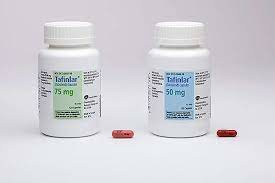
In China, dabrafenib has been launched and included in some medical insurance systems, but the price is still relatively high, and the specifications are usually 75mg capsules. When taking daily medication, patients should strictly follow the prescribed dosage, usually 75 mg twice a day, or adjust according to the doctor's plan. When taking the medicine, it is recommended to swallow the tablet whole without chewing or crushing to ensure the sustained release and absorption of the medicine. If you miss a dose, you should take it as soon as possible on the same day, but do not take more than one dose at one time to avoid increasing the risk of adverse reactions.
Common side effects of dabrafenib include fever, fatigue, joint pain, rash, nausea, hair loss, and hand-foot syndrome. Patients should closely monitor their body temperature, skin condition and general physical status during medication. If persistent high fever or severe rash occurs, you should seek medical treatment promptly and receive symptomatic treatment under the guidance of a doctor. Drugs may also affect liver function and blood indicators. Therefore, routine blood tests, liver function and kidney function tests need to be performed regularly before and during treatment to detect abnormalities in time and adjust the treatment plan.
In terms of medication precautions, dabrafenib may interact with other drugs, especially strongCYP3A4 inhibitors or inducers, which may affect the blood concentration of the drug, thereby affecting the efficacy or increasing the risk of side effects. Before starting treatment with dabrafenib, patients should inform their doctor about all medications they are taking, including herbal medicines, supplements, and over-the-counter drugs. You should avoid changing the dosage or stopping the medicine on your own while taking the medicine, and you should also pay attention to daily sun protection, because the medicine may increase the skin's sensitivity to ultraviolet rays.
In addition, cardiotoxicity may occur during dabrafenib treatment, such as QT interval prolongation. Therefore, patients with a history of heart disease need to evaluate their electrocardiogram before taking the drug and have their cardiac function followed up regularly. Pregnant women or women planning pregnancy should avoid using this drug and take effective contraceptive measures to prevent the drug from causing harm to the fetus. Overall, dabrafenib is highly effective as a targeted therapy for BRAF mutated melanoma and related tumors, but its safe use relies on strict compliance with physician guidance, regular follow-up, and standardized medication practices.
Reference materials:https://www.drugs.com/
[ 免责声明 ] 本页面内容来自公开渠道(如FDA官网、Drugs官网、原研药厂官网等),仅供持有医疗专业资质的人员用于医学药学研究参考,不构成任何治疗建议或药品推荐。所涉药品可能未在中国大陆获批上市,不适用于中国境内销售和使用。如需治疗,请咨询正规医疗机构。本站不提供药品销售或代购服务。


