.jpeg)
Selumetinib for NF1 Treatment: Complete Guide to Targeted Therapy for Type 1 Neurofibromatosis
I.Drug Overview:What is Selumetinib?
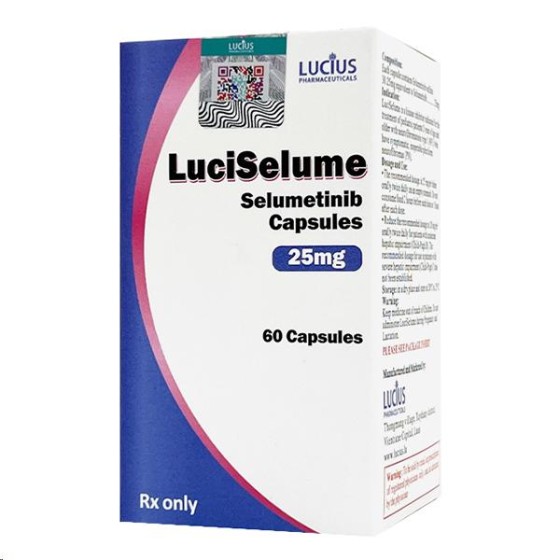
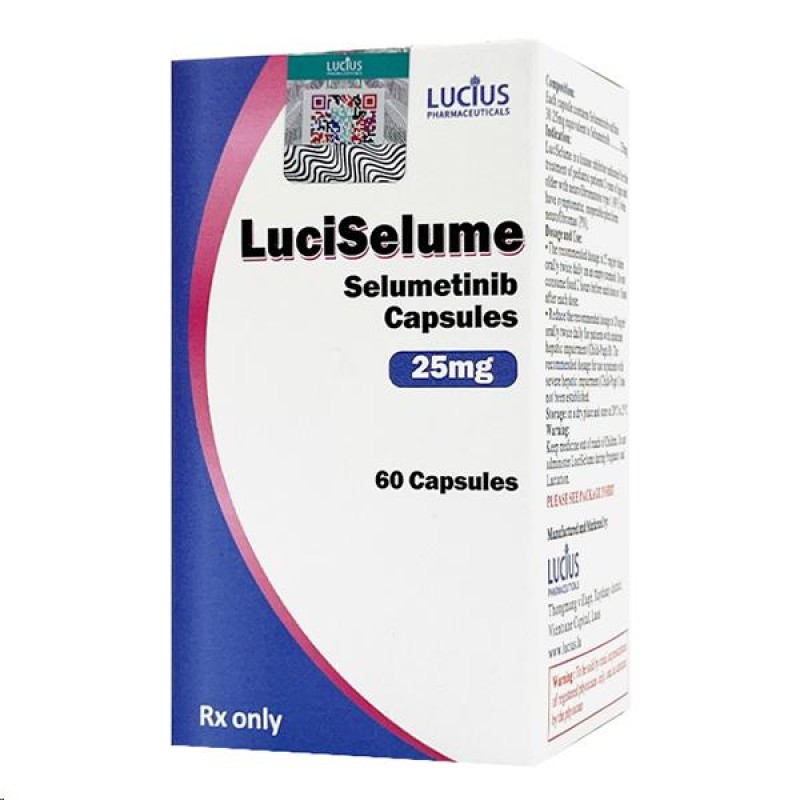
Selumetinib(Brand name:Koselugo)is an oral selective MEK1/2 inhibitor jointly developed by AstraZeneca and MSD,bringing new precision treatment options for patients with Type 1 Neurofibromatosis(NF1).
II.Mechanism of Action:Precisely Blocking Abnormal Signaling Pathways
Selumetinib works by inhibiting MEK activity and blocking the RAF-MEK-ERK signaling pathway,which is a key pathway for cell growth and division.In patients with Type 1 Neurofibromatosis(NF1),NF1 gene mutations lead to neurofibromin inactivation,causing abnormal activation of the RAS pathway and resulting in uncontrolled tumor cell proliferation.Selumetinib precisely blocks this失控signal transmission,inhibiting tumor cell proliferation and even shrinking tumor masses.
In human NF1 transgenic mouse neurofibroma models,oral administration of selumetinib inhibits ERK phosphorylation,significantly reducing neurofibroma number,volume,and proliferation rate.
III.Clinical Research Results:SPRINT Study Data is Encouraging
The key clinical study of selumetinib,the SPRINT series of trials,is a milestone study in NF1 targeted therapy,bringing unprecedented hope to NF1 children worldwide.
The SPRINT Phase I study enrolled 24 NF1 children who received oral selumetinib 20 to 30 mg/m²twice daily.Results showed that 17 children had reduced tumor volume,with an effective rate of 71%.Significant relief was observed in tumor-related pain,disfigurement,and functional impairment symptoms.
The SPRINT Phase II study enrolled 50 NF1 children receiving selumetinib 25 mg/m²twice daily.The objective response rate was 68%,with 34 children achieving partial response,of which 28 had durable response lasting more than 1 year.After 1 year of treatment,the tumor pain intensity score reported by children decreased by an average of 2 points.The median treatment duration was 55 months,with 61%of patients treated for more than 48 months and 16%for more than 72 months,proving that selumetinib has the potential for long-term disease control.
IV.Indications and Medication Guidelines
1.Target Population:
According to National Medical Products Administration(NMPA)approval and latest NCCN guideline updates,selumetinib is mainly used for pediatric Type 1 Neurofibromatosis(NF1),suitable for children aged 3 years and above with symptomatic,unresectable plexiform neurofibromas(PN).
US FDA approved indication is for treating adults and children aged 1 year and above with Type 1 Neurofibromatosis(NF1)who have plexiform neurofibromas.
Multiple international studies are exploring the application value of selumetinib in adult NF1 patients,and some guidelines have listed it as a consideration option.
2.Dosage and Administration:
The recommended dose is calculated based on body surface area,at 25 mg/m²,twice daily oral administration,approximately every 12 hours.It needs to be precisely calculated by professional physicians based on the child's height and weight.
Administration can be taken with or without food,but it is recommended to maintain consistency in daily dosing method.Capsules should be swallowed whole,not chewed or opened.For young children unable to swallow,special handling is needed under physician guidance.
Treatment duration is typically continuous treatment until disease progression or unacceptable toxicity.SPRINT study shows that long-term continuous medication is key to achieving optimal efficacy.
Dose adjustment:Based on the severity of adverse reactions,physicians may recommend dose reduction or temporary discontinuation.Common dose reduction schemes include first reduction to 20 mg/m²,second reduction to 15 mg/m².
3.Key Precautions:
For ophthalmic monitoring,selumetinib may cause blurred vision,photophobia and other ocular adverse reactions.Baseline ophthalmic examination should be performed before medication,with regular follow-up during treatment.
For cardiac function,asymptomatic ejection fraction reduction may occur.It is recommended to perform echocardiography regularly before and during treatment.
For creatine kinase monitoring,approximately half of patients will experience elevated creatine kinase,requiring regular monitoring.Seek medical attention promptly if severe muscle pain occurs.
For skin reactions,rash and dry skin are common.Pay attention to moisturizing and sun protection,avoid hot baths.
For liver function,monitor liver function regularly and handle promptly if transaminase elevation occurs.
For drug interactions,avoid concurrent use with strong CYP3A4 inducers or inhibitors to avoid affecting blood drug concentration.
V.Drug Efficacy and Safety Analysis
1.Efficacy Highlights:
Tumor shrinkage and symptom improvement.SPRINT study shows that 68%of children achieved tumor shrinkage of 20%or more,with significant improvement in accompanying pain,functional impairment,and disfigurement symptoms.Many children gradually returned to normal life from being unable to attend school or socialize normally due to tumor compression.
Long-term control potential.More than 60%of patients have been treated for more than 4 years,proving that selumetinib has the potential for long-term disease control,which is crucial for chronic diseases like NF1.
Avoiding irreversible damage.For children with airway compression or vision threats,timely medication can avoid serious consequences such as tracheostomy or blindness,which is difficult to achieve with traditional surgery.
2.Adverse Reaction Management:
Selumetinib is generally well tolerated,but the following common adverse reactions should be noted.
For gastrointestinal reactions,nausea,vomiting,and diarrhea occur in approximately 50%to 60%of cases,mostly grade 1 to 2.Good control can be achieved through taking with meals,symptomatic medications,and dietary adjustments.
For skin toxicity,approximately 80%experience rash and dry skin,but mostly mild.It is recommended to use fragrance-free moisturizers,gentle skincare products,and avoid excessive sun exposure.
For creatine kinase elevation,approximately 50%to 60%experience it,mostly asymptomatic,but regular monitoring is needed.If severe muscle pain occurs,dose reduction or temporary discontinuation is needed.
For ocular reactions,approximately 15%experience blurred vision and photophobia,mostly reversible.Regular ophthalmic examination is needed,seek medical attention promptly if symptoms occur.
For asymptomatic ejection fraction reduction,the incidence rate is approximately 10%,mostly recoverable.It is recommended to perform echocardiography monitoring every 3 to 6 months.
Clinicians generally believe that under the guidance of professional medical teams,selumetinib's side effects are controllable and manageable,and the clinical benefits it brings far outweigh the risks.
[ 免责声明 ] 本页面内容来自公开渠道(如FDA官网、Drugs官网、原研药厂官网等),仅供持有医疗专业资质的人员用于医学药学研究参考,不构成任何治疗建议或药品推荐。所涉药品可能未在中国大陆获批上市,不适用于中国境内销售和使用。如需治疗,请咨询正规医疗机构。本站不提供药品销售或代购服务。