.jpeg)
A Guide to Safely Stopping Mitotane: Why Tapering is Essential and How to Manage
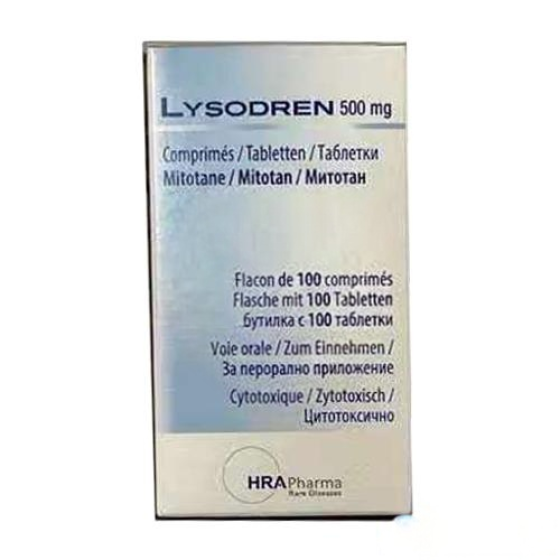
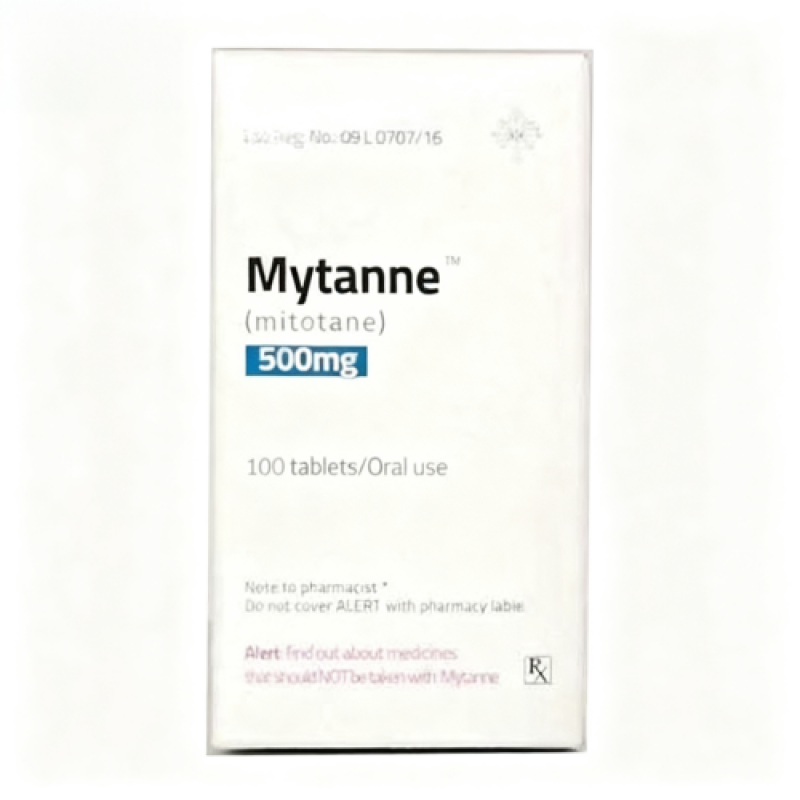
Mitotane is a key drug in treating adrenocortical carcinoma.Due to its unique mechanism of action,discontinuing the medication must be done strictly according to protocol.Abrupt cessation is strictly prohibitedas it can lead to two serious consequences:a life-threatening adrenal insufficiency crisis and potential rapid tumor rebound.
Risks of Abrupt Withdrawal
Mitotane suppresses and damages the adrenal cortex,impairing the body's ability to produce cortisol.A sudden drop in drug concentration,while adrenal function is still compromised,can trigger a severe adrenal crisis.Symptoms include profound weakness,nausea,vomiting,low blood pressure,electrolyte imbalances(e.g.,low sodium,high potassium),and even shock.Concurrently,the loss of antitumor effect may lead to rapid disease progression.
The Correct Approach:Gradual Tapering
The only safe way to discontinue mitotane is through a slow,gradual dose reduction under the close supervision of your treating physician.This is a process requiring patience and meticulous monitoring,often spanning several months.
Tapering Principle:The speed of tapering should be individualized.Typically,the daily dose is reduced by a small increment(e.g.,250-500 mg)every 1-2 weeks.The entire process may take 2-3 months or longer until complete cessation.
Essential Monitoring:During the taper,blood levels of mitotane should be monitored regularly to ensure a gradual decline.Blood tests to assess electrolytes and adrenal function(e.g.,ACTH,cortisol levels)are also crucial.
Flexible Adjustment:If any signs of adrenal insufficiency(e.g.,unusual fatigue,dizziness)or radiological evidence of tumor progression appear during the taper,the dose reduction should be paused immediately,or the dose may need to be increased back to the previous effective level.
Comprehensive Management During Tapering
Stopping mitotane involves more than just reducing pills;it requires systematic medical management.
Hormone Replacement Therapy:Most patients require glucocorticoid replacement therapy(e.g.,hydrocortisone)during and after mitotane treatment.During the taper,the replacement dose is carefully adjusted by the doctor based on the recovery of the patient's adrenal function.Even after completely stopping mitotane,many patients may require long-term or lifelong hormone replacement.
Regular Check-ups:In addition to blood tests,regular imaging studies(e.g.,CT or MRI)are essential to monitor tumor status.
Lifelong Follow-up:Due to the potential for permanent adrenal damage,patients require lifelong follow-up with an endocrinologist to periodically assess hormone levels.
In conclusion,successful treatment with mitotane begins with proper administration and ends with safe discontinuation.Patients and families must work closely with their healthcare team,understand the necessity of gradual tapering,and strictly adhere to the follow-up and monitoring plan to maximize treatment benefits while minimizing risks.
[ 免责声明 ] 本页面内容来自公开渠道(如FDA官网、Drugs官网、原研药厂官网等),仅供持有医疗专业资质的人员用于医学药学研究参考,不构成任何治疗建议或药品推荐。所涉药品可能未在中国大陆获批上市,不适用于中国境内销售和使用。如需治疗,请咨询正规医疗机构。本站不提供药品销售或代购服务。