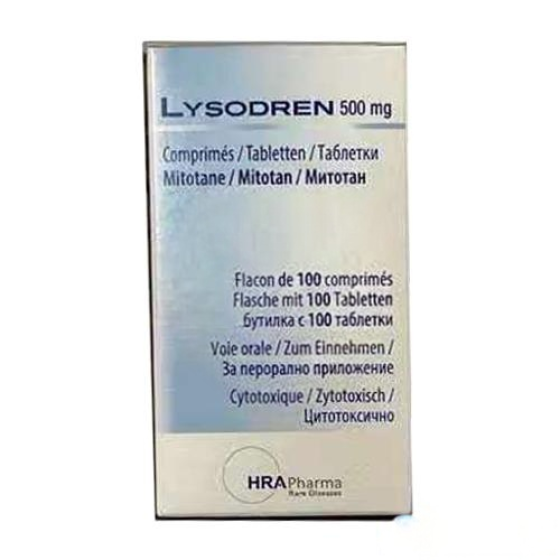
.jpeg)
Managing Mitotane Resistance in Adrenocortical Carcinoma: Strategies and Global Options
1.Understanding Mitotane Resistance:Definition and Mechanisms
Mitotane is a cornerstone therapy for adrenocortical carcinoma.Clinical resistance is typically defined as radiological tumor progression according to RECIST criteria,confirmed via imaging(CT/MRI),after at least 3 to 6 months of treatment with adequate plasma drug levels(14-20 mg/L).The likelihood of resistance increases over time,with many patients facing disease progression within 1-2 years of treatment initiation.
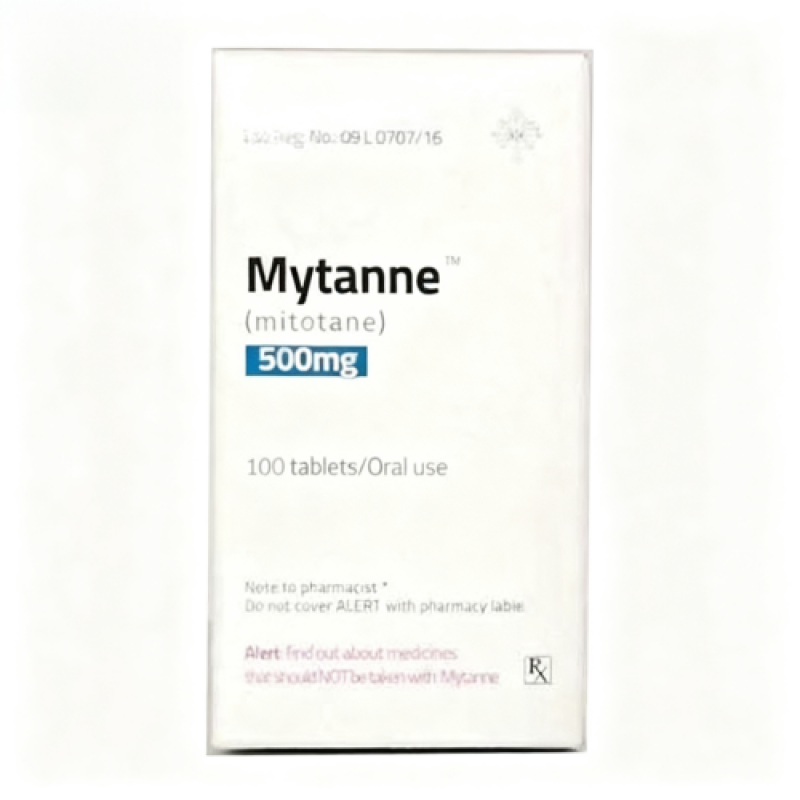
The biological mechanisms underlying resistance are complex and not fully understood.Potential factors include:the upregulation of drug efflux pumps like ABCB1/P-gp,which reduce intracellular drug concentration;phenotypic changes in cancer cells such as Epithelial-Mesenchymal Transition(EMT);and activation of alternative signaling pathways like Wnt or IGF.The lack of a clear,actionable driver mutation limits targeted therapy options post-resistance.
2.Core Treatment Strategies After Resistance
Upon confirmed resistance,treatment is individualized and may include:
Switching to or Adding Chemotherapy:The EDP regimen(Etoposide,Doxorubicin,Cisplatin)or EP regimen are standard options.Chemotherapy can be used alone or sometimes continued alongside Mitotane,with reported objective response rates around 30-40%.
Exploring Targeted and Immunotherapy:While no clear target exists,preclinical data suggests potential for combining with IGF-1R inhibitors,with related clinical trials underway.Immune checkpoint inhibitors have shown limited single-agent activity in ACC and are not routinely recommended.
Localized Therapies:For specific metastatic sites,local interventions can provide effective control.Options include Transarterial Chemoembolization or ablation for liver metastases,and Stereotactic Body Radiotherapy for oligometastatic disease.
Re-challenging with Mitotane:Case reports indicate that re-introducing Mitotane after a drug-free interval may restore sensitivity in some patients,representing a potential strategy.
3.Clinical Trials and Comprehensive Supportive Care
Participating in clinical trials is a crucial pathway to access novel therapies after standard options are exhausted.Current investigations explore combinations with CDK4/6 inhibitors,anti-angiogenic agents,and new drugs for cortisol control.
Alongside anti-cancer treatment,comprehensive supportive care is essential.This involves managing cortisol excess and its symptoms(e.g.,hypertension,hyperglycemia)with medications like Metyrapone or Ketoconazole,addressing pain,and providing robust nutritional and psychological support to maintain quality of life.
4.Treatment Decision-Making and Drug Accessibility
Mitotane is approved in many regions,though cost and accessibility vary widely depending on location and insurance policies.Patients should have detailed discussions with their oncologists to determine the most suitable treatment path,considering disease status,overall health,personal circumstances,and local drug availability.Many chemotherapy drugs used post-resistance are widely accessible globally.
[ 免责声明 ] 本页面内容来自公开渠道(如FDA官网、Drugs官网、原研药厂官网等),仅供持有医疗专业资质的人员用于医学药学研究参考,不构成任何治疗建议或药品推荐。所涉药品可能未在中国大陆获批上市,不适用于中国境内销售和使用。如需治疗,请咨询正规医疗机构。本站不提供药品销售或代购服务。