.jpeg)
Lorlatinib (Lorviqua): Oral Targeted Therapy for ALK-Positive Advanced Non-Small Cell Lung Cancer
Indication and Prerequisite
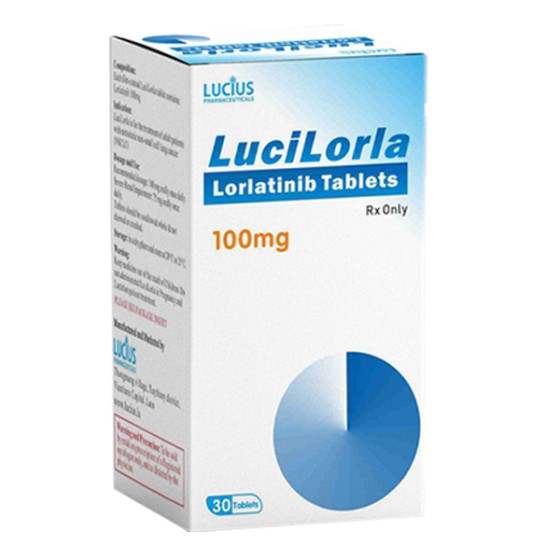
Lorlatinib (brand name Lorviqua, generic name lorlatinib) is a prescription oral medication specifically indicated for patients with advanced non-small cell lung cancer (NSCLC) whose tumors harbor an ALK gene mutation or fusion. Prior to initiation, ALK positivity must be confirmed by a validated genetic test. Treatment should be prescribed and supervised by a physician experienced in the use of anticancer therapies.
Dosage and Administration
The recommended dose is 100 mg taken orally once daily, with or without food. Tablets should be swallowed whole. In the event of certain adverse reactions, the doctor may reduce the dose or temporarily interrupt treatment. If disease progresses or side effects become intolerable, permanent discontinuation may be considered. Patients should never alter the dose or stop treatment without consulting their healthcare provider.
Mechanism of Action
ALK (anaplastic lymphoma kinase) belongs to the receptor tyrosine kinase family and plays a role in cell growth and tumor angiogenesis. In ALK-positive NSCLC, abnormal ALK proteins drive uncontrolled cancer cell proliferation. Lorlatinib is a potent, brain-penetrant tyrosine kinase inhibitor that selectively inhibits ALK and many of its resistance mutations, thereby blocking tumor growth and delaying progression.
Potential Risks
Common Side Effects (incidence >20%)
Include hypercholesterolemia, hypertriglyceridemia, edema (fluid retention), peripheral neuropathy (numbness or tingling in hands/feet), weight gain, cognitive impairment (difficulty thinking, learning, or remembering), fatigue, arthralgia, diarrhea, and mood changes.
Serious Side Effects
The most frequent serious side effects (incidence >1%) are cognitive impairment and pneumonia (lung inflammation).
Important Contraindication
Lorlatinib must not be used concomitantly with strong CYP3A4/5 inducers (e.g., rifampin, carbamazepine, phenytoin, St. John’s wort) because this combination can cause severe hepatotoxicity and significantly reduce lorlatinib plasma concentrations, compromising efficacy. Refer to the full prescribing information for a complete list of side effects and contraindications.
Summary
Lorlatinib offers an important oral targeted treatment option for patients with ALK-positive advanced NSCLC, particularly those who have progressed on prior therapies or have brain metastases. Its use requires close medical supervision and regular monitoring of lipid levels, neurological status, and liver function. Patients should not self-adjust the dose or discontinue treatment; any concerns should be discussed with a healthcare professional.
[ 免责声明 ] 本页面内容来自公开渠道(如FDA官网、Drugs官网、原研药厂官网等),仅供持有医疗专业资质的人员用于医学药学研究参考,不构成任何治疗建议或药品推荐。所涉药品可能未在中国大陆获批上市,不适用于中国境内销售和使用。如需治疗,请咨询正规医疗机构。本站不提供药品销售或代购服务。