.jpeg)
Adverse Reaction Profile and Clinical Safety Management of Idelalisib
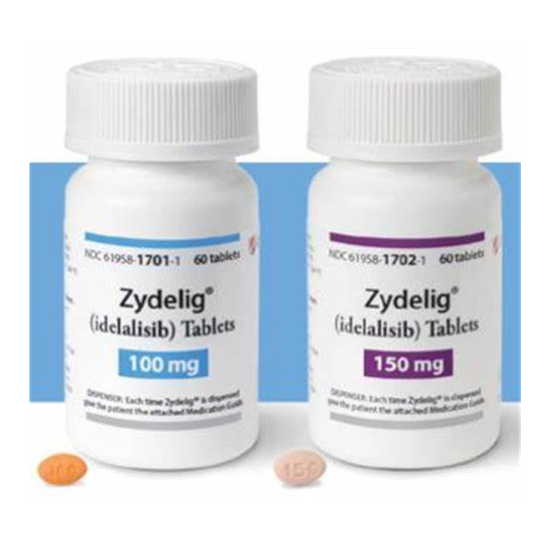
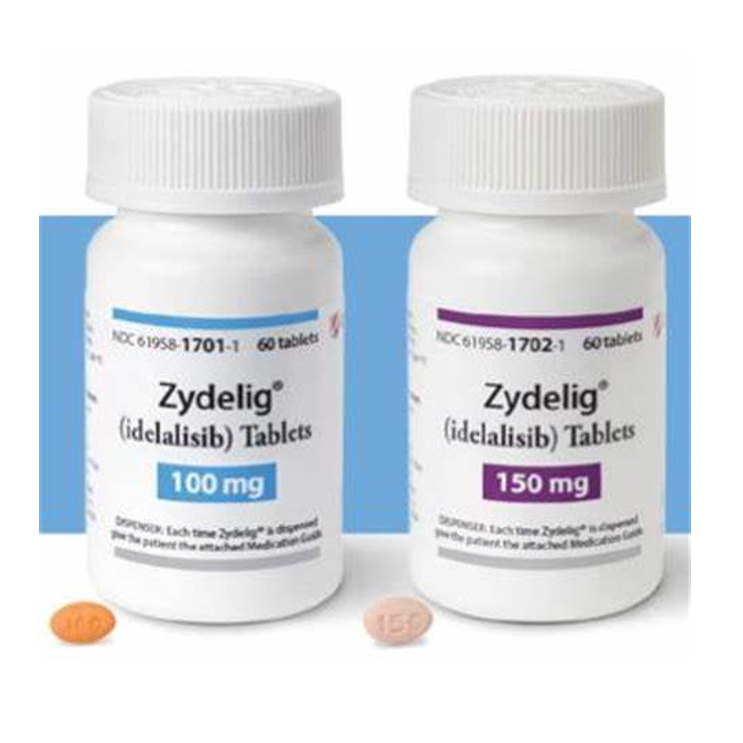
Idelalisib is a selective PI3Kδinhibitor primarily indicated for the treatment of relapsed or refractory B-cell malignancies,with chronic lymphocytic leukemia(CLL)as its core approved indication.It is frequently administered in combination with other targeted agents or anti-CD20 monoclonal antibodies.Within the global hematologic oncology treatment framework,this agent enhances anti-tumor activity by targeting key nodes of the B-cell signaling pathway,while also exerting a measurable impact on immune regulation,which gives its adverse reaction profile distinct immune-related features.
Digestive discomfort and systemic inflammatory-like reactions are the two most prevalent categories of adverse events associated with idelalisib.Diarrhea is notably common,ranging from mild loose stools in mild cases to pronounced intestinal inflammatory reactions in severe cases.This manifestation is directly linked to the physiological role of the PI3Kδpathway in maintaining intestinal immune homeostasis.In addition,pyrexia and fatigue are common systemic symptoms,typically related to drug-mediated immune activation and fluctuations in inflammatory factor levels.
In terms of respiratory effects,some patients may present with cough and manifestations related to pulmonary infection,among which pneumonia is a serious adverse reaction requiring close attention.International guidelines for hematologic oncology generally list infection risk as a core safety monitoring item for PI3K inhibitors.This is because agents of this class can impair the immune function of normal B cells,reducing the body's resistance to infection and thereby elevating the risk of pulmonary and systemic infections.
Cutaneous adverse reactions are also frequently observed,including rash,pruritus and mild inflammatory skin lesions,most of which are associated with drug-induced alterations in immune regulation.With regard to laboratory abnormalities,idelalisib commonly causes neutropenia as well as elevated alanine aminotransferase(ALT)and aspartate aminotransferase(AST),indicating that regular monitoring of bone marrow hematopoietic status and liver function is required during treatment.
Overall,the adverse reaction profile of idelalisib presents a combined pattern of immune-related injury,liver function abnormalities and hematological toxicity.In international clinical practice,safety management for this agent universally emphasizes continuous dynamic monitoring and early symptom recognition,so as to reduce the risk of severe adverse events such as serious infection and severe liver injury through timely intervention.
[ 免责声明 ] 本页面内容来自公开渠道(如FDA官网、Drugs官网、原研药厂官网等),仅供持有医疗专业资质的人员用于医学药学研究参考,不构成任何治疗建议或药品推荐。所涉药品可能未在中国大陆获批上市,不适用于中国境内销售和使用。如需治疗,请咨询正规医疗机构。本站不提供药品销售或代购服务。