.jpeg)
Olutasidenib: Mechanism of Action and Clinical Guide for IDH1-Mutated AML
Drug Overview
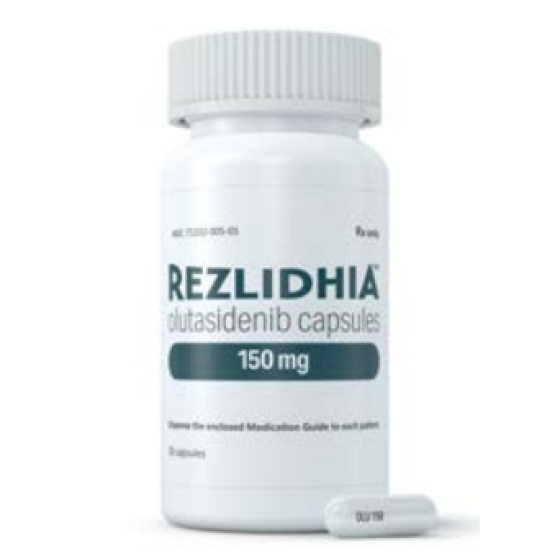
Olutasidenib is an oral,selective isocitrate dehydrogenase-1(IDH1)inhibitor developed by Rigel Pharmaceuticals.It received official approval from the U.S.FDA in 2022 for the treatment of adult patients with relapsed or refractory acute myeloid leukemia(AML)harboring an IDH1 gene mutation,providing a precision targeted therapeutic option for this high-risk patient population.

Mechanism of Action and Target Characteristics
IDH1 gene mutation is one of the common driver mutations in acute myeloid leukemia,among which R132H and R132C site mutations are the most prevalent.Mutated IDH1 enzyme produces an abnormal metabolite called 2-hydroxyglutarate(2-HG),which inhibits the normal function of epigenetic regulatory enzymes in the body,blocks the differentiation and maturation of hematopoietic cells,and further leads to abnormal proliferation and accumulation of leukemia cells.
Olutasidenib binds with high selectivity to mutant IDH1 and inhibits its kinase activity,effectively reducing the level of 2-HG in tumor cells,relieving its blocking effect on hematopoietic cell differentiation,and inducing the gradual differentiation and maturation of leukemia cells,thereby exerting an anti-tumor effect.
Indications and Applicable Scope
Relapsed or refractory IDH1-mutated acute myeloid leukemia:This is the core approved indication for olutasidenib,covering adult patients who have progressed after prior chemotherapy,hypomethylating agents or other targeted therapies.
Newly diagnosed IDH1-mutated AML in patients ineligible for intensive chemotherapy:Existing phase II clinical studies have confirmed the positive therapeutic activity of this regimen.Although it has not obtained official indication approval,it can be used as an individualized alternative treatment option after clinical evaluation.
IDH1-mutated myelodysplastic syndrome(MDS):The drug is currently in the exploratory application stage with relatively limited evidence-based medical data.It should be used cautiously by the attending physician after fully weighing the benefits and risks.
Contraindicated Populations
Patients with IDH1 wild-type acute myeloid leukemia:The drug has no proven therapeutic benefit and is not recommended for use.
Patients with IDH2-mutated acute myeloid leukemia:IDH2-targeted inhibitors(such as enasidenib)should be selected for treatment.
Patients with acute lymphoblastic leukemia(ALL):There is currently no relevant therapeutic evidence for IDH1 mutations in ALL,so this product is not applicable.
Core Clinical Efficacy Data
The approval of olutasidenib is based on the results of a phase II registrational clinical trial(NCT03878771).Data showed that in patients with relapsed/refractory IDH1-mutated AML,the overall response rate(ORR)of olutasidenib monotherapy reached 48%,with a complete response(CR)rate of 31%,and the median duration of response has not been reached.In terms of safety,the incidence of treatment-related differentiation syndrome is approximately 15%,and the overall adverse reactions are clinically manageable with favorable tolerability.
Global Accessibility and Alternative Options
The branded olutasidenib has been approved for marketing in the United States and many other countries and regions.The treatment cost of the originator product is relatively high,and there are currently no approved generic drugs on the market.For patients in need of treatment,ivosidenib,another IDH1 inhibitor,is also an available alternative in clinical practice.The two drugs share the same target and similar clinical efficacy.The final treatment regimen should be determined by a professional physician based on comprehensive assessment of the patient's condition.
[ 免责声明 ] 本页面内容来自公开渠道(如FDA官网、Drugs官网、原研药厂官网等),仅供持有医疗专业资质的人员用于医学药学研究参考,不构成任何治疗建议或药品推荐。所涉药品可能未在中国大陆获批上市,不适用于中国境内销售和使用。如需治疗,请咨询正规医疗机构。本站不提供药品销售或代购服务。