
.jpeg)
How effective is sunitinib in treating kidney cancer?
Sunitinib, as a multi-target tyrosine kinase inhibitor, is one of the important oral targeted drugs for the treatment of advanced or metastatic renal cell carcinoma (RCC). Different from traditional interferon treatment, sunitinib achieves the effect of inhibiting tumor progression by blocking the angiogenesis signaling pathway on which tumor growth depends. This mechanism enables it to demonstrate excellent efficacy in a variety of malignant tumors, especially its ability to control clear cell renal cancer. Sunitinib is usually used as first-line treatment for patients who have no chance of surgery or for people with postoperative recurrence. Because of its good disease control rate and long progression-free survival, it is listed as a standard treatment option in clinical guidelines in many countries.
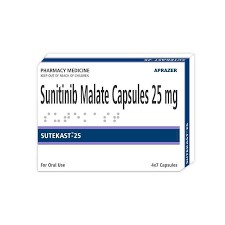
The effect of sunitinib is not only reflected in delaying tumor growth, but its long-term use can also help relieve patients' symptoms and improve their quality of life. Most patients can maintain a stable state during regular medication, and some even experience tumor shrinkage. Because its targeting mechanism is relatively broad and it can inhibit multiple cancer-promoting signals at the same time, it has certain advantages in the treatment of kidney cancer with large individual differences. However, efficacy still depends on the patient's specific genetic profile, disease stage, and whether there are other systemic problems.
During the course of taking sunitinib, although side effects such as hypertension, fatigue, hand-foot syndrome, etc. are common, they are mostly controllable or reversible. Dosage adjustment and combined supportive treatment under the guidance of a doctor can significantly improve the patient's tolerance to the drug. Especially today, when the treatment of metastatic renal cancer becomes increasingly diversified, sunitinib is still widely used in clinical practice with its long-term accumulation of real-world data, proving that it still plays an important role in the control of renal cancer. For patients who are in the treatment selection stage, sunitinib provides a targeted treatment option with a balanced safety and efficacy, which is expected to significantly delay disease progression and improve overall survival.
Reference materials:https://www.sutent.com/
[ 免责声明 ] 本页面内容来自公开渠道(如FDA官网、Drugs官网、原研药厂官网等),仅供持有医疗专业资质的人员用于医学药学研究参考,不构成任何治疗建议或药品推荐。所涉药品可能未在中国大陆获批上市,不适用于中国境内销售和使用。如需治疗,请咨询正规医疗机构。本站不提供药品销售或代购服务。


