
.jpeg)
The correct way to take ceritinib and precautions
Ceritinib is an oral second-generation ALK inhibitor commonly used to treat patients with ALK-positive advanced or metastatic non-small cell lung cancer (NSCLC). Due to its clear targeting mechanism and stable efficacy, it is widely used in clinical applications. However, special attention must be paid to the administration method and adverse reaction management during the specific medication process to ensure that the drug exerts the best therapeutic effect and reduces possible adverse events. According to the current recommended usage, the standard dose of ceritinib is 450 mg once daily, which must be taken with food. This is particularly critical to improve efficacy and gastrointestinal tolerance.
When initially using ceritinib, some patients may emphasize the importance of taking the drug after meals. Studies have found that lowering the dose and taking it with food can not only ensure that the absorption of the drug in the body remains unchanged, but also significantly reduce gastrointestinal side effects, especially nausea, vomiting, diarrhea and other symptoms. When taking medication, it is recommended that patients choose a meal with a standard fat content (such as breakfast or dinner) and do not take the medication on an empty stomach or with high-fat and greasy food to avoid abnormal fluctuations in blood concentration and affect safety.
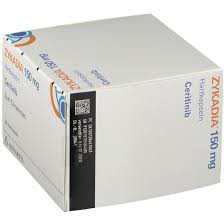
In addition to the correct taking time and dosage, patients should also be aware that ceritinib may interact with other drugs. In particular, patients who are taking antacids, antifungals, certain antiviral drugs, or arrhythmia drugs should adjust their medications or take them at intervals under the guidance of a doctor. Since the metabolism pathway of ceritinib involves the CYP3A enzyme system, other drugs that affect the activity of this enzyme may change its blood concentration, thereby affecting the efficacy or increasing toxic reactions.
Liver function monitoring is also one of the key points during medication. Some patients may experience elevated transaminases and abnormal liver function after long-term use of ceritinib. Therefore, it is recommended to conduct liver function tests every 2 weeks at the beginning of treatment, and then once a month, so as to detect potential risks early and make dosage adjustments. In addition, if the patient develops symptoms such as jaundice, yellowing of the skin, fatigue, etc., the patient should inform the doctor immediately to evaluate whether it is related to the drug.
It is worth noting that although ceritinib is a targeted drug, it may also cause electrocardiogramQT interval prolongation, especially in patients with pre-existing heart disease or electrolyte disorders, which should be monitored more intensively. It is recommended to have regular electrocardiograms and maintain normal levels of electrolytes such as potassium, calcium, and magnesium. If symptoms such as palpitations, syncope, and irregular heartbeat occur while taking the medicine, you must seek medical treatment in time.
In general, the use of ceritinib not only depends on the correct dose and administration method, but also requires multi-faceted medication monitoring and precautions management during the entire treatment. Patients should consult a professional doctor in detail before taking medication and develop an individualized treatment plan based on their own condition and other medication conditions. Through the scientific use of this targeted drug, the survival period and quality of life of lung cancer patients can be effectively prolonged. With the continuous advancement of precision medicine, ceritinib will continue to play an important role in the treatment of ALK-positive lung cancer.
Reference materials:https://go.drugbank.com/drugs/DB09063
[ 免责声明 ] 本页面内容来自公开渠道(如FDA官网、Drugs官网、原研药厂官网等),仅供持有医疗专业资质的人员用于医学药学研究参考,不构成任何治疗建议或药品推荐。所涉药品可能未在中国大陆获批上市,不适用于中国境内销售和使用。如需治疗,请咨询正规医疗机构。本站不提供药品销售或代购服务。


