
.jpeg)
Lorlatinib is the first generation of targeted drugs. What is its mechanism of action?
Lorlatinib (Lolatinib) is a third-generation ALK (anaplastic lymphoma kinase) and ROS1 (c-rosProto-oncogene1) dual-target tyrosine kinase inhibitor (TKI). It is a targeted drug developed after crizotinib (first generation), alectinib and brigatinib (second generation). It is mainly used to treat ALKpositive or ROS1< Patients with span>positive non-small cell lung cancer (NSCLC) experience disease progression, especially after resistance to previous generations of ALK inhibitors. Due to its unique molecular structure, lorlatinib can cross the blood-brain barrier and also shows good control over central nervous system (CNS) metastatic lesions. It is currently one of the important treatment options for patients with ALK-positive lung cancer.
The main mechanism of action of lorlatinib is to selectively and with high affinity inhibit the activities of ALK and ROS1 kinases, thereby blocking the proliferation signaling pathways of cancer cells. In ALKpositive lung cancer, fusion genes such as EML4-ALK usually exist. This fusion leads to the continuous activation of ALK tyrosine kinase, thereby driving the malignant growth of cancer cells. Lorlatinib can bind to multiple drug-resistant mutant sites (such as G1202R, etc.), which is also one of its important features over previous generations of drugs. At the same time, it also has inhibitory activity against ROS1 fusion mutations, expanding its applicable target population.
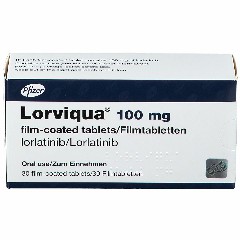
Compared with the first and second generationALK inhibitors, lorlatinib has significant advantages in the control of drug-resistant mutations and the management of brain metastases. The previously used crizotinib has poor permeability into the CNS, while lorlatinib can effectively cross the blood-brain barrier and is active against brain metastases and even meningeal metastases, allowing it to show a high response rate and prolonged median progression-free survival (PFS) in the treatment of patients with brain metastases. In addition, lorlatinib has inhibitory activity against a variety of known drug-resistant mutations and is particularly suitable as a follow-up treatment option for patients who have failed or relapsed after front-line treatment.
It should be noted that although lorlatinib has significant efficacy, its use is also accompanied by certain adverse reactions. Common side effects include high cholesterol, high triglycerides, peripheral edema, weight gain, and effects on cognitive function. Some patients may experience mood swings or mild neuropsychiatric abnormalities. Therefore, it is necessary to regularly monitor blood lipid levels during use and pay attention to the patient's emotional and cognitive changes. In general, lorlatinib, as a third-generation ALK/ROS1 inhibitor, provides new solutions to deal with treatment difficulties such as drug resistance and brain metastasis, and is an important progress in the current precision treatment field of NSCLC.
Reference materials:https://www.drugs.com/
[ 免责声明 ] 本页面内容来自公开渠道(如FDA官网、Drugs官网、原研药厂官网等),仅供持有医疗专业资质的人员用于医学药学研究参考,不构成任何治疗建议或药品推荐。所涉药品可能未在中国大陆获批上市,不适用于中国境内销售和使用。如需治疗,请咨询正规医疗机构。本站不提供药品销售或代购服务。


